
Work-related pain & injury treatment in Pennant Hills
Whether it’s a desk job that leaves you stiff, a physical role that’s taking a toll, or an injury at work, we help you manage pain, stay productive and get back to full duties safely.
- No GP referral needed
- AHPRA-registered osteopaths
- HICAPS on-the-spot claims
Your job shouldn’t hurt
Work-related pain is incredibly common — from desk-based aches to injuries in physical jobs. Staying at work in some capacity usually helps recovery, and the right support makes that possible.
Here’s what we believe:
- Staying active at work helps. Modified duties and staying connected to work usually lead to better recovery than time off alone.
- It’s the load, not the job. Pain often comes from the amount, speed and variety of tasks — all things we can help adjust.
- Desk set-up helps, movement helps more. A good workstation matters, but regular movement breaks make the biggest difference.
- Strength is your armour. Building capacity for the physical demands of your job reduces the risk of re-injury.
- Clear communication matters. We keep you, your GP and, where needed, your employer or insurer on the same page.
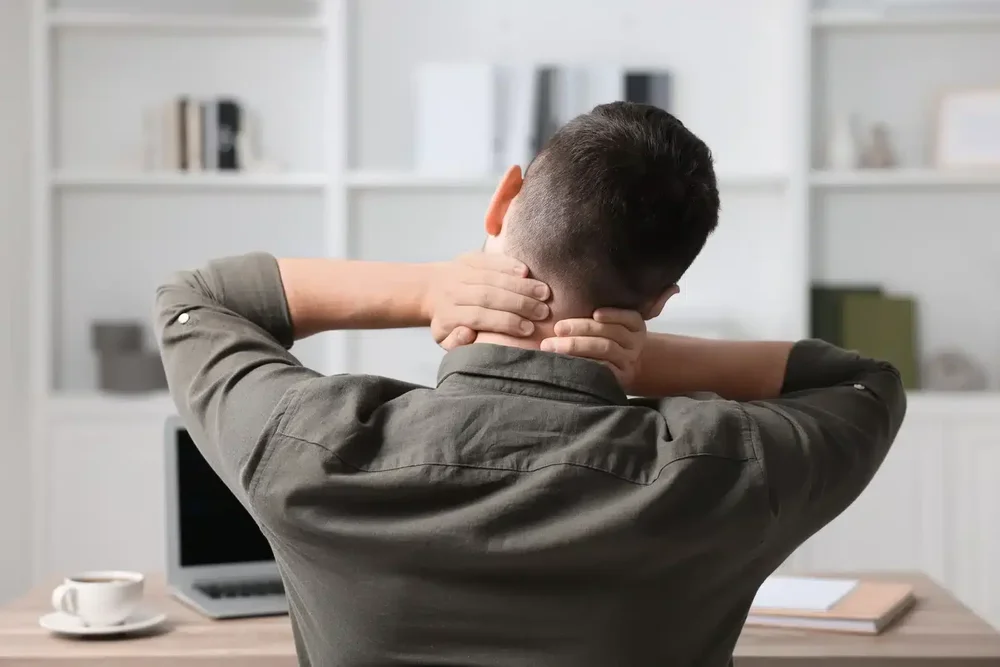
Sound familiar?
- Pain that builds through the work day and eases on weekends
- Stiff neck, shoulders or back from long hours at a desk
- Aches from lifting, bending or repetitive tasks
- An injury at work that’s stopping you doing full duties
- Pain driving to and from work
- Worry about whether you can keep doing your job
What we commonly see
- Desk & office-related pain
- Lifting & manual handling injuries
- Trade & labour strain
- Repetitive strain injuries
- Driving-related pain
- Healthcare & carer injuries
- Return-to-work rehab
- Workplace injury claims
Not sure if your pain fits? Call us on 0457 796 468 and we’ll let you know if we can help.
How we treat work-related pain
Every appointment follows our Assess, Plan, Treat framework — so you always know what’s happening and why.
Assess
We learn about your role, tasks, hours and exactly how and when pain shows up.
Read more
We assess the injured or painful area and the body as a whole, and look at the physical demands of your job so treatment matches what you need to do.
Plan
A plan to manage pain and keep you working — or get you back safely.
Read more
We set goals around your work tasks, suggest practical changes, and can provide information to support modified duties or a return-to-work plan.
Treat
Hands-on care to ease pain, then job-specific strength and conditioning.
Read more
We treat the painful area, then build strength, endurance and movement skills for the real demands of your job.
The tools we have at our disposal
We choose the right mix for you — every tool is there to ease pain, restore movement and get you back to what you love.
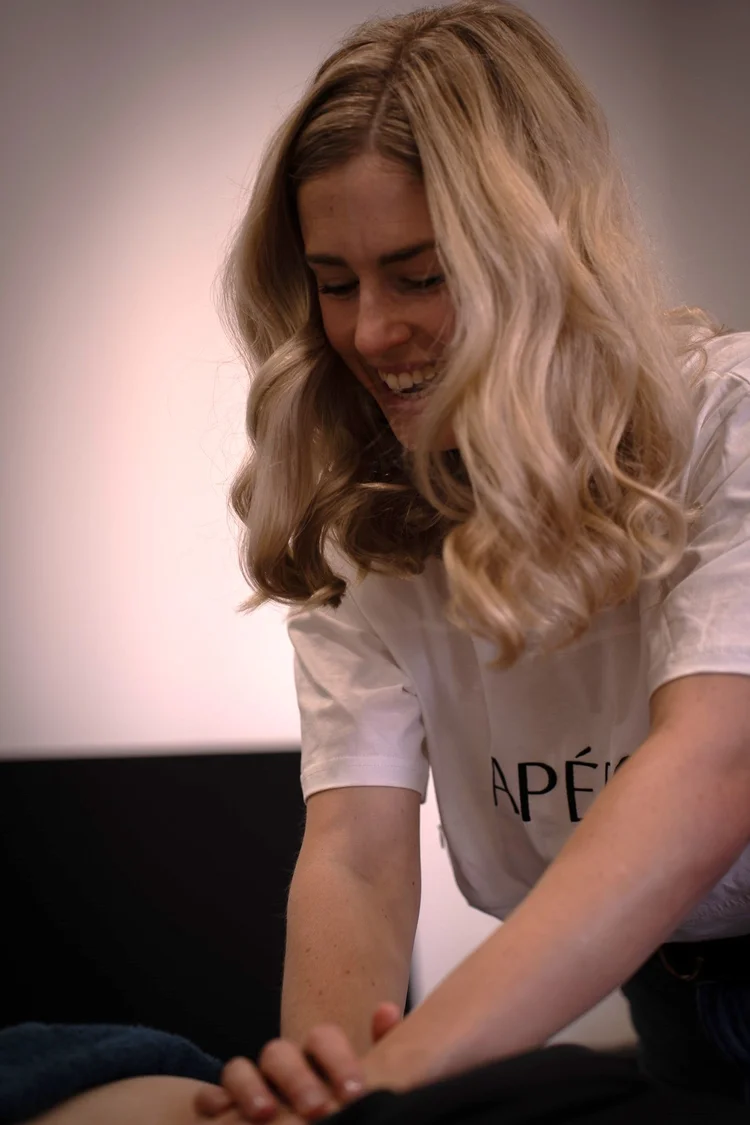
Hands-on osteopathy
Soft tissue work, joint mobilisation and, where appropriate, HVLA adjustments to ease pain and restore movement.
How it helps with work-related pain
Soft tissue work, joint mobilisation and HVLA where appropriate to ease pain and restore movement.
Hands-on care works best as part of a plan that includes exercise and advice.
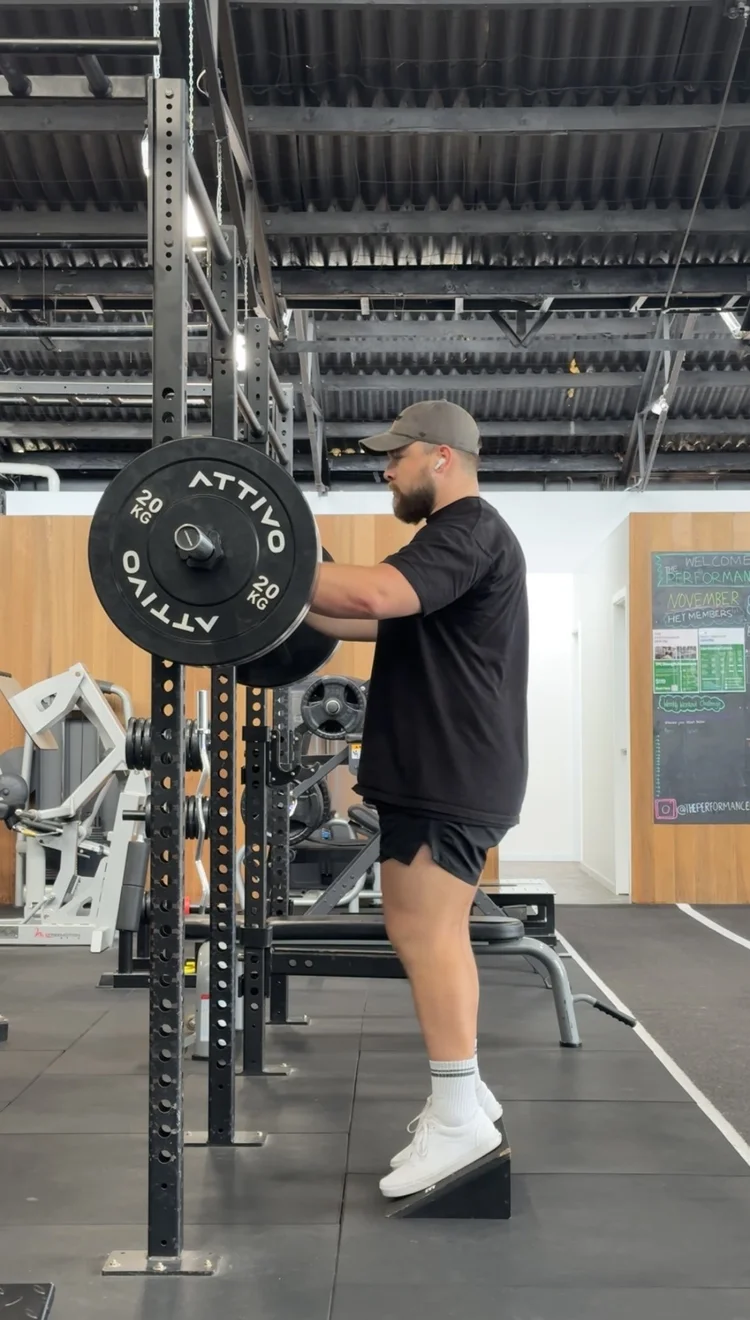
Exercise rehab
A progressive program to rebuild strength, control and confidence — the part that keeps you better.
How it helps with work-related pain
Job-specific strengthening — lifting, carrying, reaching or sitting tolerance — so your body handles your workload.
Exercise has the strongest research support for most musculoskeletal pain.
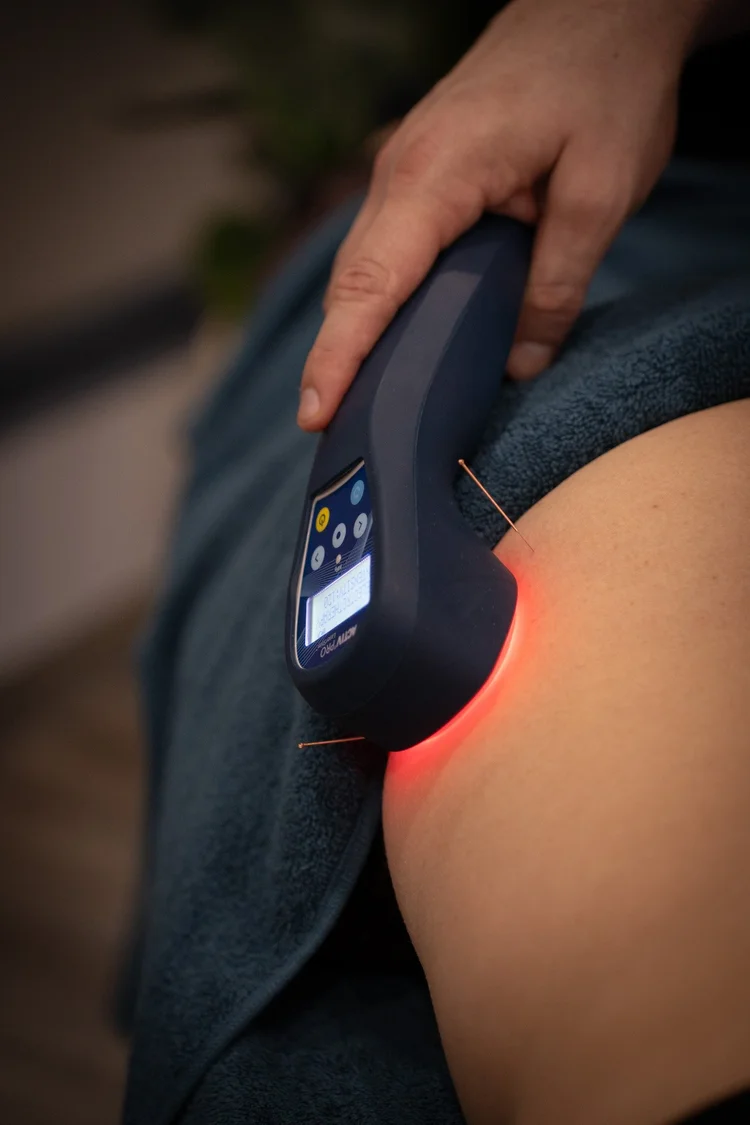
Low-level laser therapy
Painless light therapy that energises your cells to calm pain and support tissue healing.
How it helps with work-related pain
Laser calms pain and supports healing, helping you stay active and keep working while you recover.
Laser energises your cells’ mitochondria to support healing — a powerful adjunct to hands-on care and rehab.
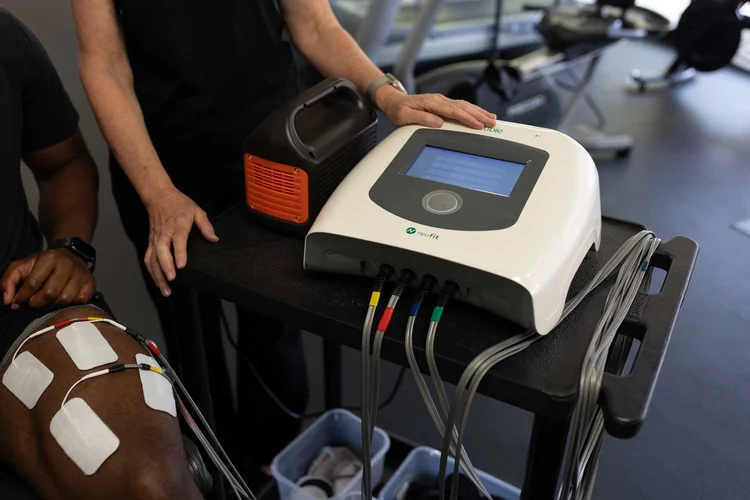
NeuFit (Neubie)
Direct current stimulation while you move, to help switch on muscles that have shut down after pain or injury.
How it helps with work-related pain
Helps re-engage muscles that have switched off after a workplace injury, supporting a faster return to strength.
NeuFit helps your nervous system reconnect with muscles that have switched off — so every exercise works harder for you.
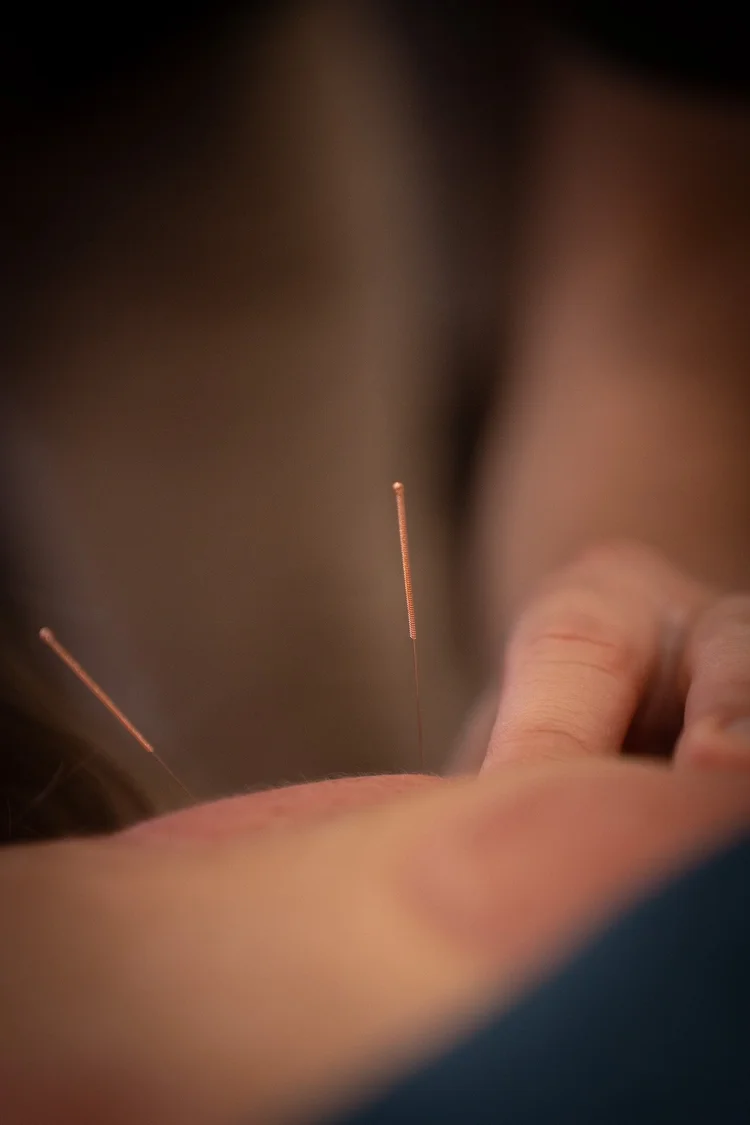
Dry needling & cupping
Fine needles and suction cups used to settle tight, overactive muscles and trigger points.
How it helps with work-related pain
Eases tight, overworked muscles from repetitive tasks and long days.
Studies show dry needling can reduce muscle-related pain in the short term, especially alongside exercise.
Education & self-care
Understanding your pain, what to do at home, and how to stop it coming back.
How it helps with work-related pain
Workstation set-up, manual handling, task variety and pacing strategies you can use straight away.
What you can do right now
While you wait for your appointment, these simple steps help most people:
- Take regular movement breaks through the day
- Vary tasks and positions where you can
- Use heat on tight muscles after work
- Report workplace injuries to your employer early
- Keep up exercise outside work
- Ask about modified duties rather than stopping completely
When to see a doctor urgently
Please see your GP, go to an emergency department or call 000 if you have:
- Pain after a fall from height, crush injury or significant impact
- Numbness around your groin, or loss of bladder or bowel control
- Worsening numbness or weakness in your arms or legs
- You can’t bear weight or use your arm after an injury
- Neck pain with dizziness, vision changes or trouble speaking
- Chest pain, shortness of breath or sweating
Common questions
Do I need a GP referral to see an osteopath?
No. Osteopaths are primary healthcare practitioners, so you can book directly. If you have a Medicare Chronic Disease Management plan or a WorkCover claim, bring your referral to your first visit.
Can I claim on my private health insurance?
Osteopathy is covered by most extras policies, and we offer on-the-spot claiming through HICAPS. Check with your fund for your level of cover.
Can I claim a workplace injury?
If you have an approved workers compensation claim, bring your claim number and details to your first visit and we’ll talk you through the process.
Should I take time off work?
Not always. For many people, staying at work with modified duties supports recovery. We’ll help you work out what’s right for you, in consultation with your GP.
Can you help with my desk set-up?
Yes. We’ll give you practical advice on your chair, screen, keyboard and habits — and the movement breaks that matter most.
Related conditions
About osteopathy · All conditions we treat · Meet our osteopaths