
Neck pain treatment in Pennant Hills
From a stiff neck after a long day at the desk to pain that wakes you at night or spreads into your shoulders and arms, we find what’s driving it and build a plan to get you turning your head freely again.
- No GP referral needed
- AHPRA-registered osteopaths
- HICAPS on-the-spot claims
Your neck is rarely the whole story
Neck pain is one of the most common reasons people see an osteopath. Most of the time it’s not a sign of damage — and with the right care it usually settles well.
Here’s how we think about it:
- Your neck works as part of a team. A stiff upper back, overloaded shoulders and how you sit at work all change how much load your neck has to carry.
- Sitting still is the real problem. There’s no single “perfect posture” — the best posture is your next one. Regular movement matters more than sitting up straight.
- Stress shows up in your neck. Poor sleep, stress and tension all turn up muscle guarding. We look at the whole picture, not just the joints.
- Scans rarely change the plan. Most neck pain doesn’t need imaging. We’ll refer you if your symptoms suggest it does.
- Strength protects your neck. Hands-on care eases pain quickly; strengthening the deep neck and shoulder muscles helps keep it away.
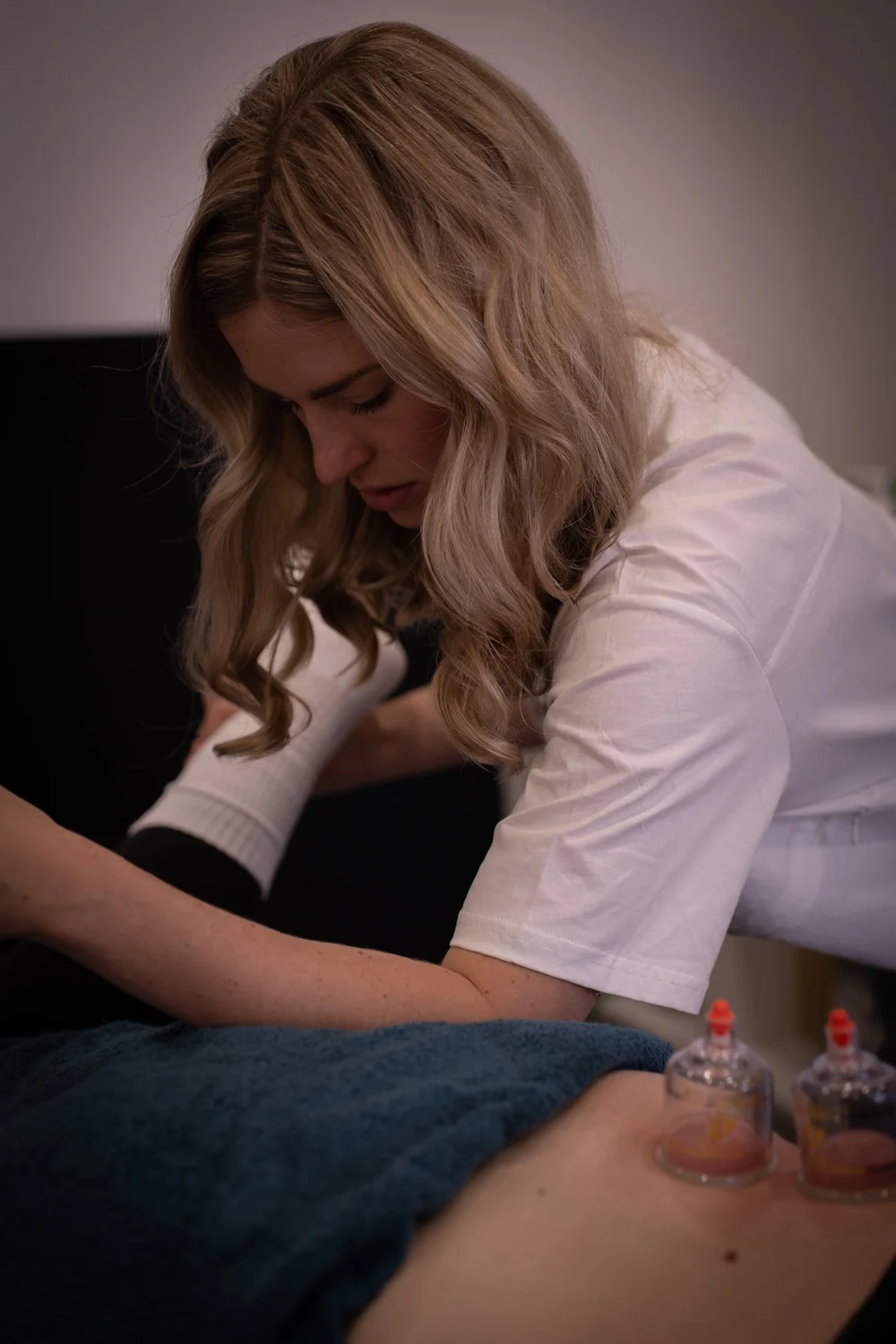
Sound familiar?
- A stiff neck that’s hard to turn when you drive or check over your shoulder
- Tight, aching shoulders by the end of the work day
- Headaches that start at the base of your skull
- Pain, pins and needles or tingling into your arm
- Waking up with a sore or “cricked” neck
- Neck pain that flares with stress or long screen time
What we commonly see
- Mechanical neck pain & stiffness
- Desk & screen-related neck pain
- Wry neck (acute locked neck)
- Whiplash-type injuries
- Neck pain with headaches
- Nerve-related arm pain
- Shoulder & upper back tension
- Recurring neck pain
Not sure if your pain fits? Call us on 0457 796 468 and we’ll let you know if we can help.
How we treat neck pain
Every appointment follows our Assess, Plan, Treat framework — so you always know what’s happening and why.
Assess
We start with your story — how it started, what aggravates it, and how it’s affecting work, sleep and life.
Read more
Then we test how your neck, upper back and shoulders move, check your nerves, strength and reflexes where needed, and screen for anything that needs a doctor’s input.
We also look at your work set-up, sleep and stress — common drivers of neck pain.
Plan
You’ll leave understanding what’s going on and what we’ll do about it.
Read more
We explain your diagnosis clearly, set goals that matter to you — turning your head to drive, sleeping comfortably, getting through the work day — and map out the stages of your care.
Your plan includes simple exercises and practical changes for your desk and pillow.
Treat
Hands-on treatment to free up movement and calm pain, then exercises to build neck and shoulder strength.
Read more
Early sessions focus on easing pain and restoring movement. As you improve, we build strength and endurance in the deep neck and shoulder muscles so your neck copes with daily life.
The tools we have at our disposal
We choose the right mix for you — every tool is there to ease pain, restore movement and get you back to what you love.

Hands-on osteopathy
Soft tissue work, joint mobilisation and, where appropriate, HVLA adjustments to ease pain and restore movement.
How it helps with neck pain
Gentle soft tissue work, mobilisation of the neck and upper back, and HVLA adjustments only where appropriate and with your consent. Treating a stiff upper back often eases the neck too.
Hands-on care works best as part of a plan that includes exercise and advice.
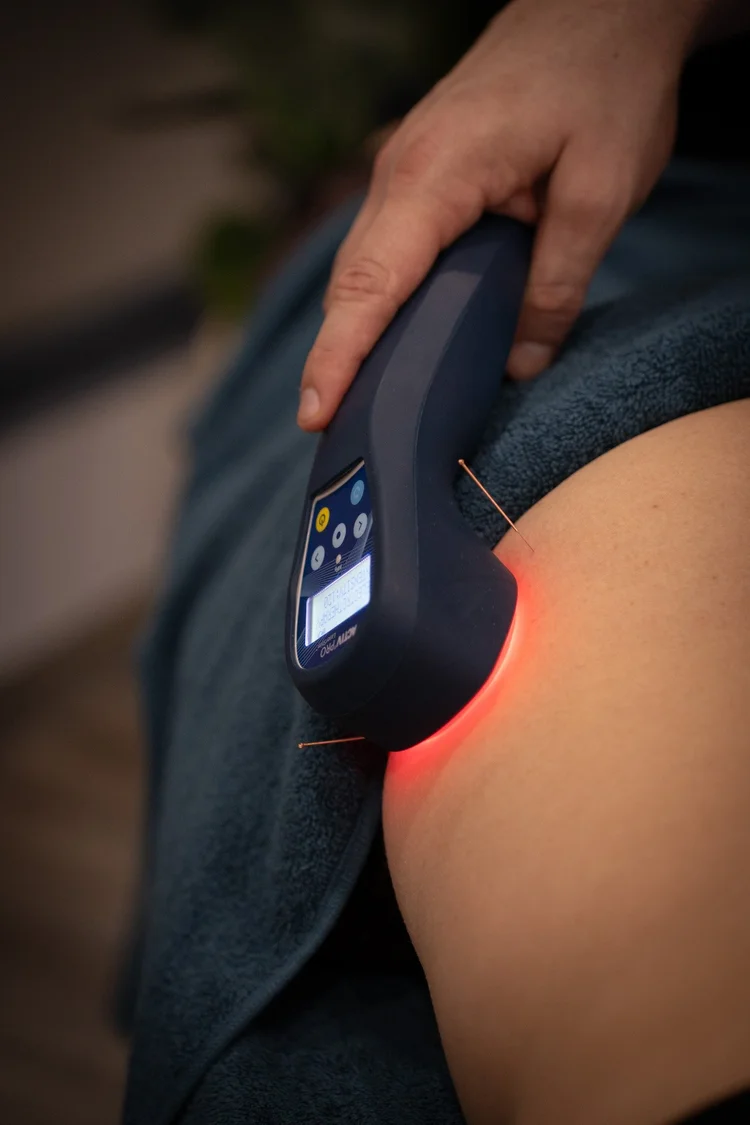
Low-level laser therapy
Painless light therapy that energises your cells to calm pain and support tissue healing.
How it helps with neck pain
Laser is one of our go-to tools for neck pain. It calms irritated muscles and joints and supports healing, helping you turn your head more freely — and it’s backed by strong research for neck pain.
Laser energises your cells’ mitochondria to support healing — a powerful adjunct to hands-on care and rehab.
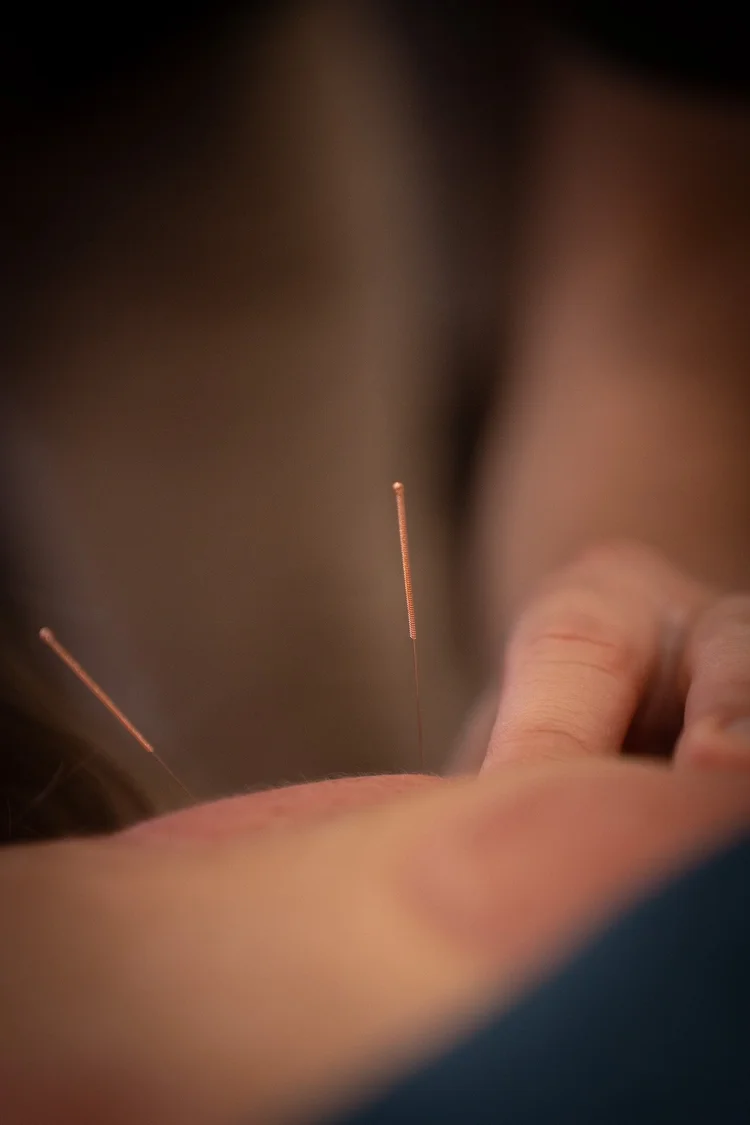
Dry needling & cupping
Fine needles and suction cups used to settle tight, overactive muscles and trigger points.
How it helps with neck pain
Dry needling into trigger points in the upper trapezius and neck muscles can reduce neck pain in the short term, helping you move and exercise more comfortably.
Studies show dry needling can reduce muscle-related pain in the short term, especially alongside exercise.
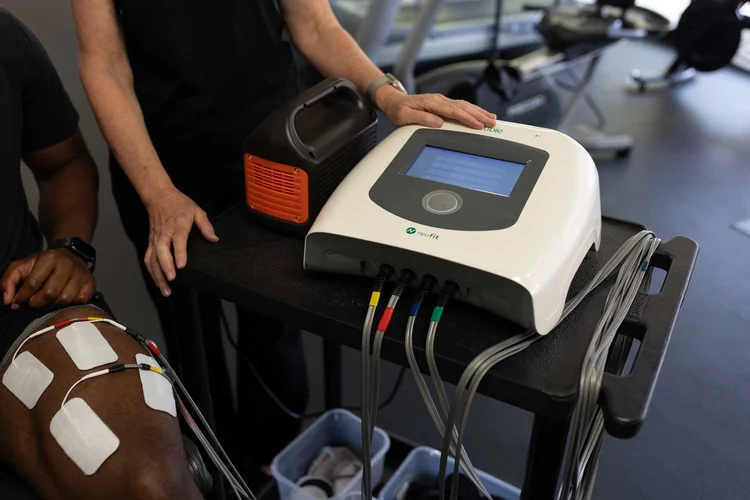
NeuFit (Neubie)
Direct current stimulation while you move, to help switch on muscles that have shut down after pain or injury.
How it helps with neck pain
We use the Neubie during guided movement to help re-engage deep neck and shoulder-blade muscles that become inhibited with ongoing pain.
NeuFit helps your nervous system reconnect with muscles that have switched off — so every exercise works harder for you.
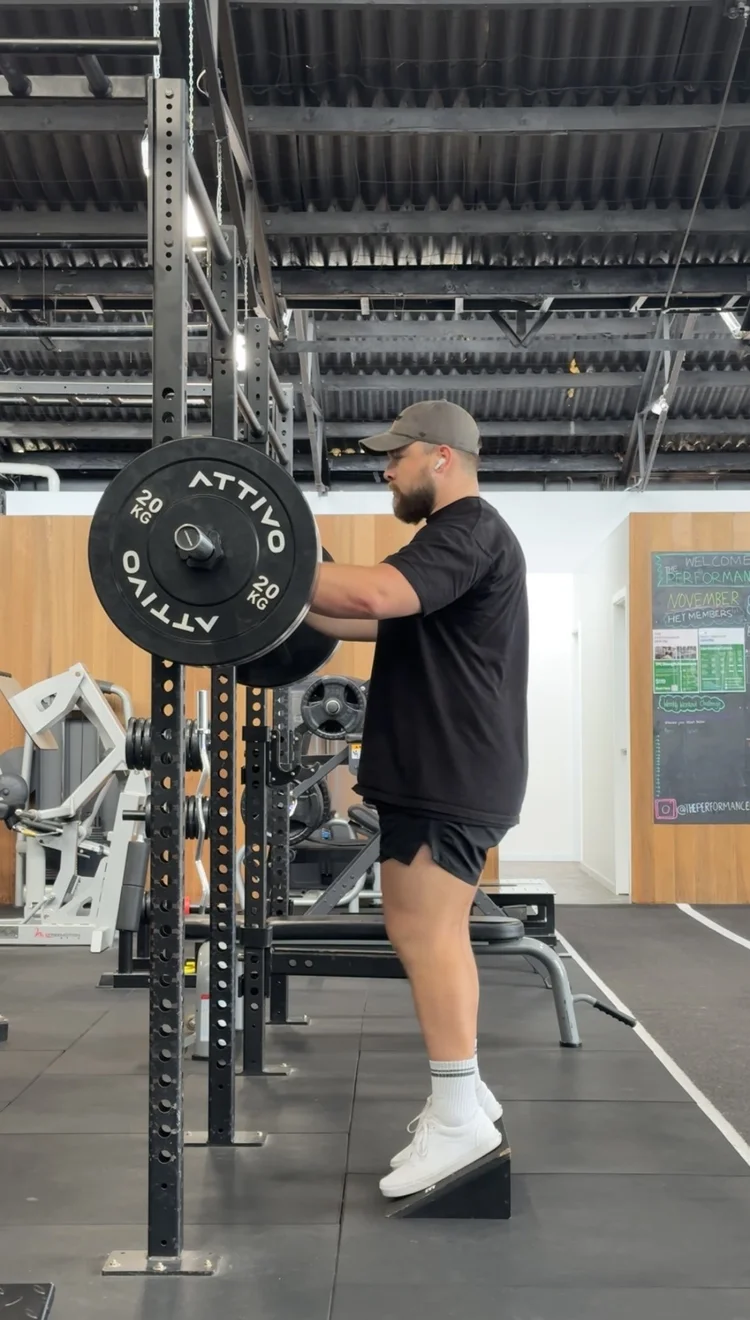
Exercise rehab
A progressive program to rebuild strength, control and confidence — the part that keeps you better.
How it helps with neck pain
Targeted strength and endurance work for the deep neck flexors, shoulder blades and upper back — the muscles that support your neck all day.
Exercise has the strongest research support for most musculoskeletal pain.
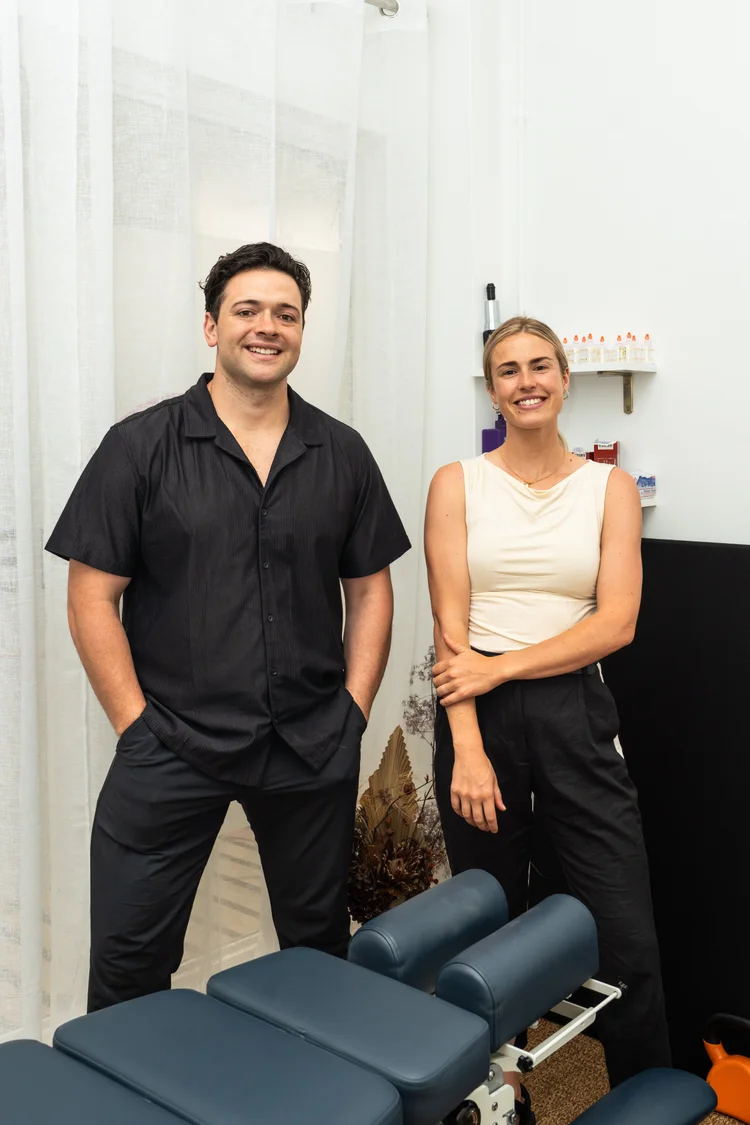
Education & self-care
Understanding your pain, what to do at home, and how to stop it coming back.
How it helps with neck pain
Practical advice on screens, desk set-up, pillows and stress — plus what to do if it flares again.
What you can do right now
While you wait for your appointment, these simple steps help most people:
- Keep your neck moving gently within comfort
- Take regular breaks from screens — every 30–40 minutes
- Use heat on tight neck and shoulder muscles
- Raise your screen to eye level where you can
- Avoid neck collars unless a professional advises one
- Keep up gentle exercise like walking
When to see a doctor urgently
Neck pain is rarely serious, but please see your GP, go to an emergency department or call 000 if you have:
- Neck pain after a fall, car accident or significant impact
- Dizziness, double vision, slurred speech or trouble swallowing
- Worsening numbness or weakness in your arms or legs, or clumsy hands
- A sudden, severe headache unlike any you’ve had before
- Fever with a stiff neck or a rash
- Neck pain with chest pain, shortness of breath or sweating
Common questions
Do I need a GP referral to see an osteopath?
No. Osteopaths are primary healthcare practitioners, so you can book directly. If you have a Medicare Chronic Disease Management plan or a WorkCover claim, bring your referral to your first visit.
Can I claim on my private health insurance?
Osteopathy is covered by most extras policies, and we offer on-the-spot claiming through HICAPS. Check with your fund for your level of cover.
How many sessions will I need?
It depends on how long you’ve had the pain and what’s driving it. Many people notice a change early on; after your first assessment we’ll give you a realistic estimate.
Will you crack my neck?
Only if it’s appropriate, safe for you and you’re comfortable with it. There are plenty of gentle techniques we can use instead, and we always explain options first.
What’s the best pillow for neck pain?
There isn’t one perfect pillow. The right one keeps your neck roughly in line with your spine in the position you sleep. We’ll give you advice based on how you sleep.
Related conditions
About osteopathy · All conditions we treat · Meet our osteopaths