
Tendon & ligament injury treatment in Pennant Hills
Tendon pain that won’t settle or a sprain that keeps giving way can be frustrating. We find out why it’s overloaded and use a staged loading plan to rebuild a stronger, more resilient tendon or ligament.
- No GP referral needed
- AHPRA-registered osteopaths
- HICAPS on-the-spot claims
Tendons need load, not just rest
Tendon and ligament problems are often slow to settle — usually because the tissue isn’t getting the right amount of load to recover. With the right plan, they respond well.
Here’s what we believe:
- Tendons love the right load. Progressive strengthening is the most effective long-term treatment for tendon pain.
- Rest makes tendons weaker. Complete rest may ease pain short term, but the tendon loses capacity — and pain returns when you go back.
- Pain during rehab can be okay. Some discomfort while loading is normal and safe. We teach you how much is right.
- Sprains need more than time. After a ligament sprain, balance and strength training reduce the risk of it happening again.
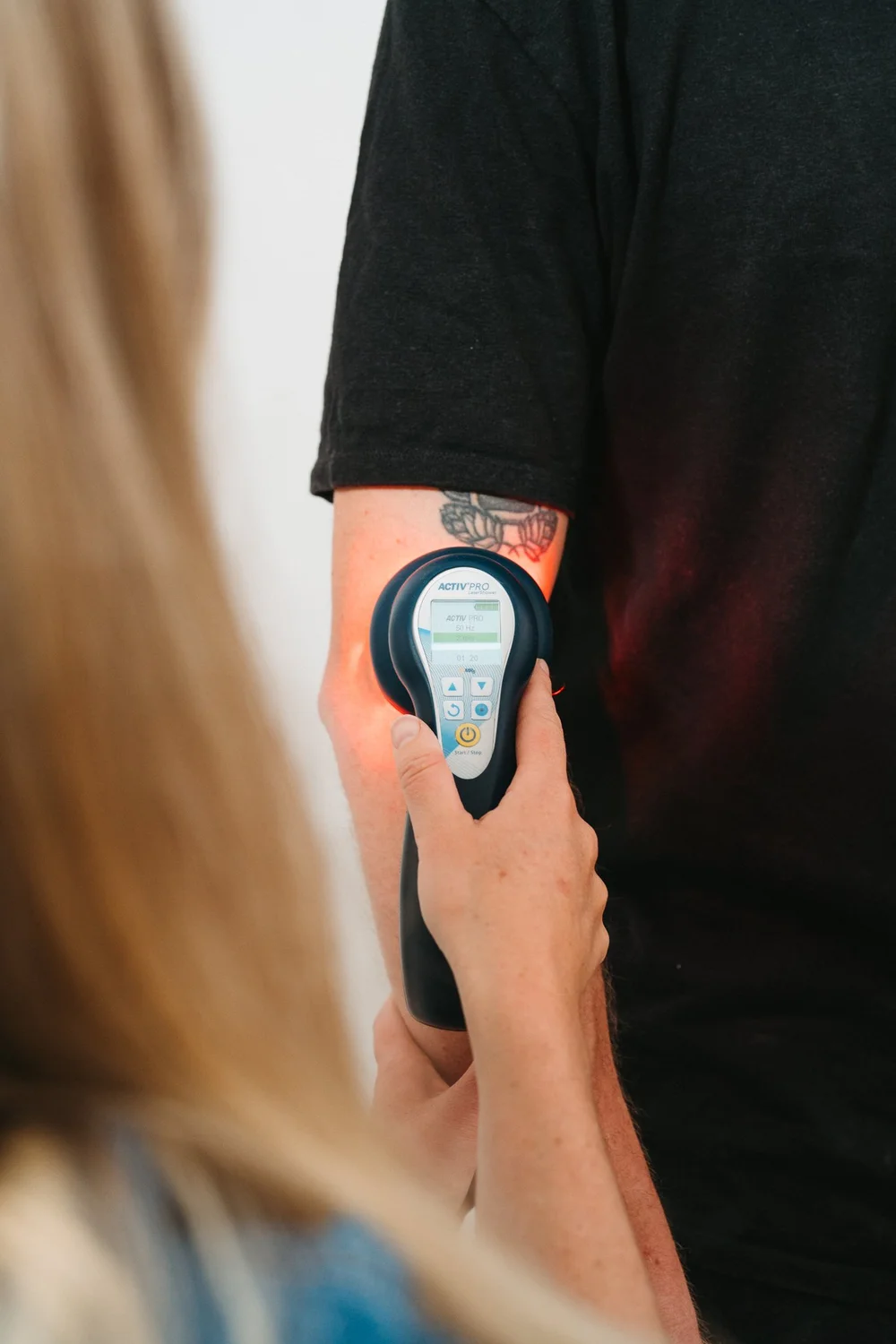
- Hands-on care and laser kick-start recovery. They ease pain and support healing, so you can do the work that rebuilds the tissue.
Sound familiar?
- Pain at the start of exercise that warms up, then is worse the next day
- Tenderness at the back of your heel, outside of the elbow or below the kneecap
- Pain gripping, lifting or climbing stairs
- An ankle or knee that feels unstable or keeps rolling
- A tendon niggle that’s lasted months
- You’ve rested it, it improved, then came straight back
What we commonly see
- Achilles tendinopathy
- Tennis & golfer’s elbow
- Patellar tendinopathy
- Gluteal tendinopathy
- Rotator cuff tendinopathy
- Ankle sprains
- Knee ligament sprains
- Wrist & thumb tendon pain
Not sure if your pain fits? Call us on 0457 796 468 and we’ll let you know if we can help.
How we treat tendon & ligament injuries
Every appointment follows our Assess, Plan, Treat framework — so you always know what’s happening and why.
Assess
We find out how it started, your training or work load, and what makes it worse.
Read more
We test strength, load tolerance and stability, and may use real-time ultrasound to look at the tendon or ligament directly.
Plan
A clear explanation of your tendon or ligament and how we’ll rebuild it.
Read more
We set a staged loading plan with milestones, and agree how to modify — not stop — the activities that aggravate it.
Treat
Calm pain early, then progressive loading for lasting results.
Read more
Early sessions ease pain with hands-on care and laser. Then we build strength and capacity in stages until the tendon or ligament can handle what you need it to do.
The tools we have at our disposal
We choose the right mix for you — every tool is there to ease pain, restore movement and get you back to what you love.
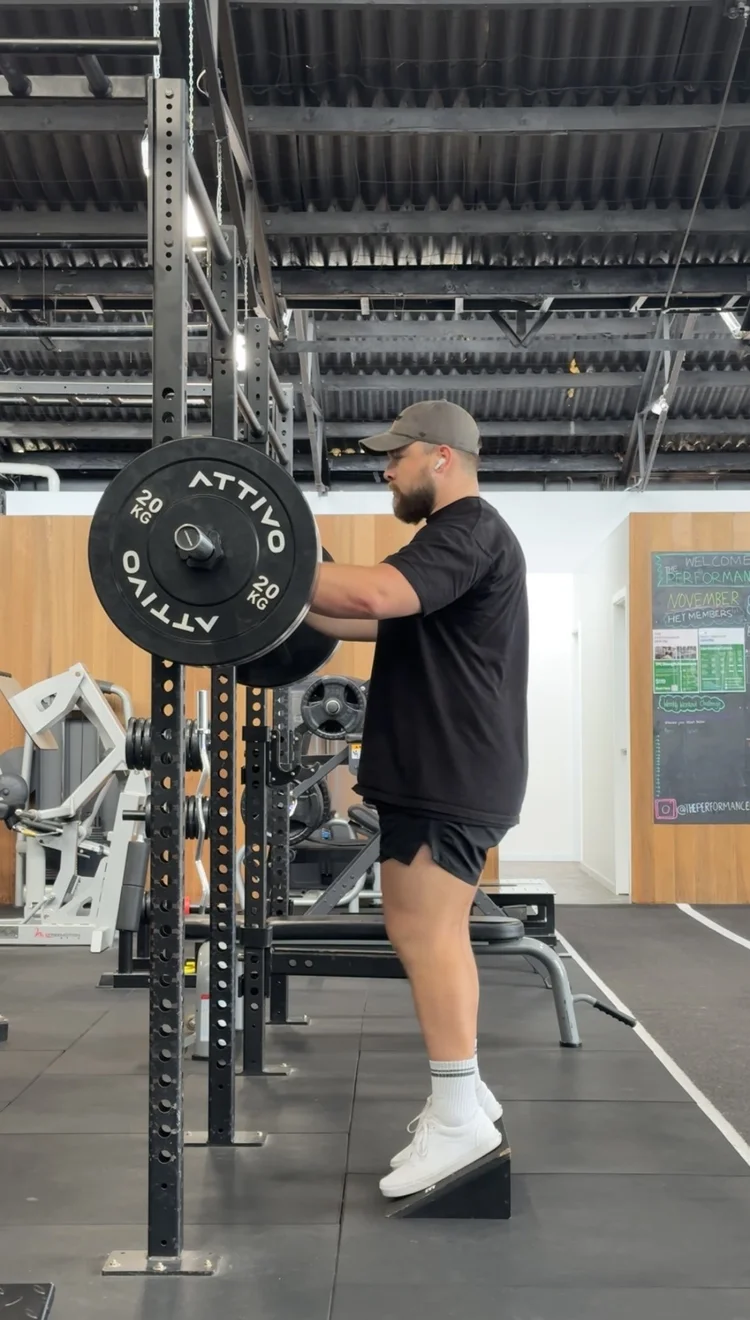
Exercise rehab
A progressive program to rebuild strength, control and confidence — the part that keeps you better.
How it helps with tendon & ligament injuries
Progressive tendon loading — isometric, then slow strength, then speed and power — and balance work after sprains. This is the core of tendon and ligament rehab.
Exercise has the strongest research support for most musculoskeletal pain.
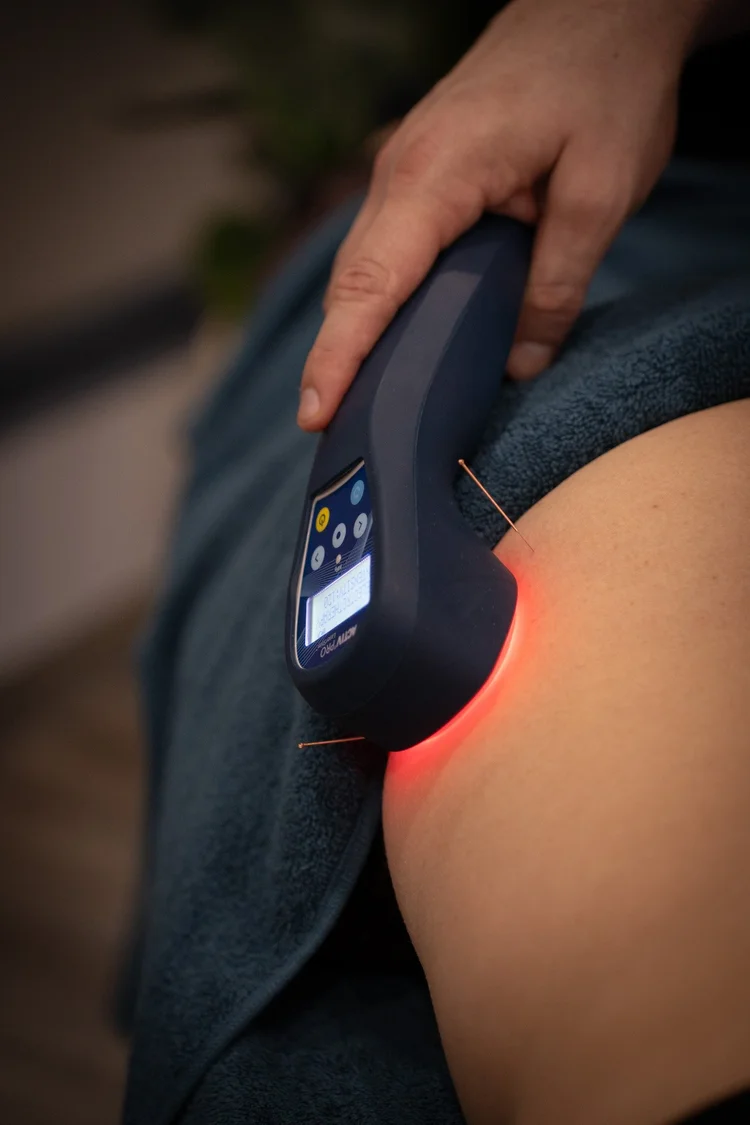
Low-level laser therapy
Painless light therapy that energises your cells to calm pain and support tissue healing.
How it helps with tendon & ligament injuries
Tendons can be slow to heal. Laser energises the tendon’s cells to support repair and settle pain, so you can load it and rebuild strength.
Laser energises your cells’ mitochondria to support healing — a powerful adjunct to hands-on care and rehab.
Real-time ultrasound
In-clinic ultrasound to look at muscles, tendons and ligaments when it helps guide your care.
How it helps with tendon & ligament injuries
Real-time ultrasound helps us look at the tendon or ligament and track how it’s responding.
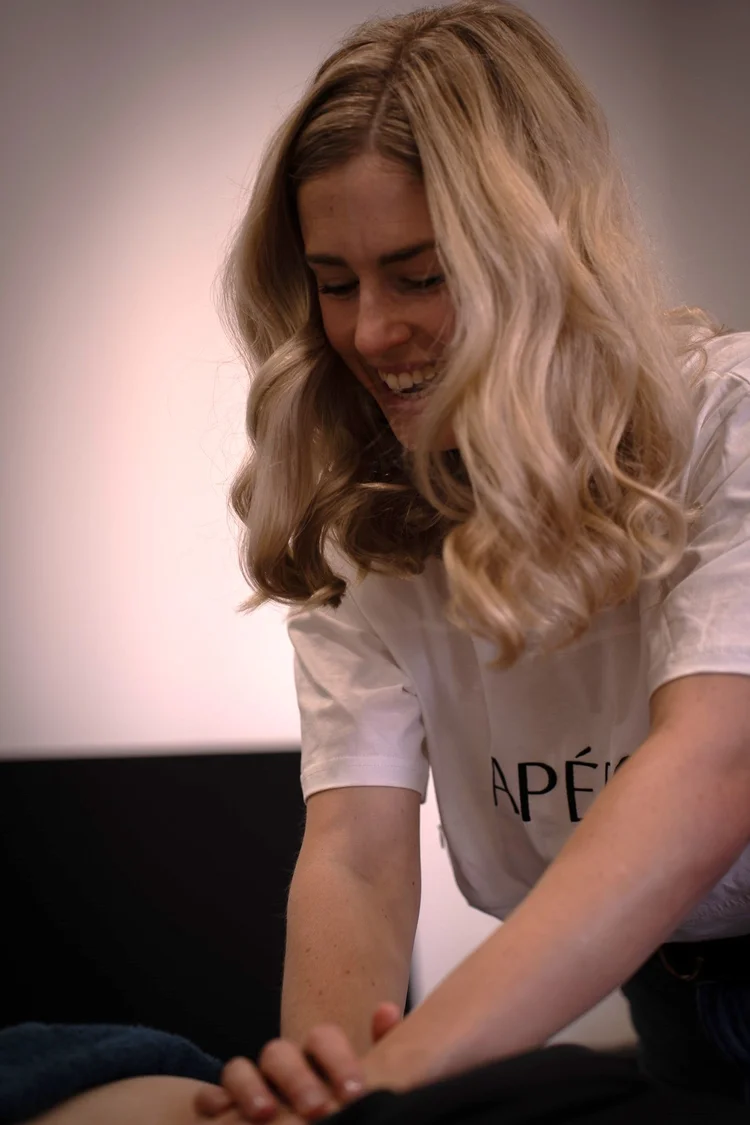
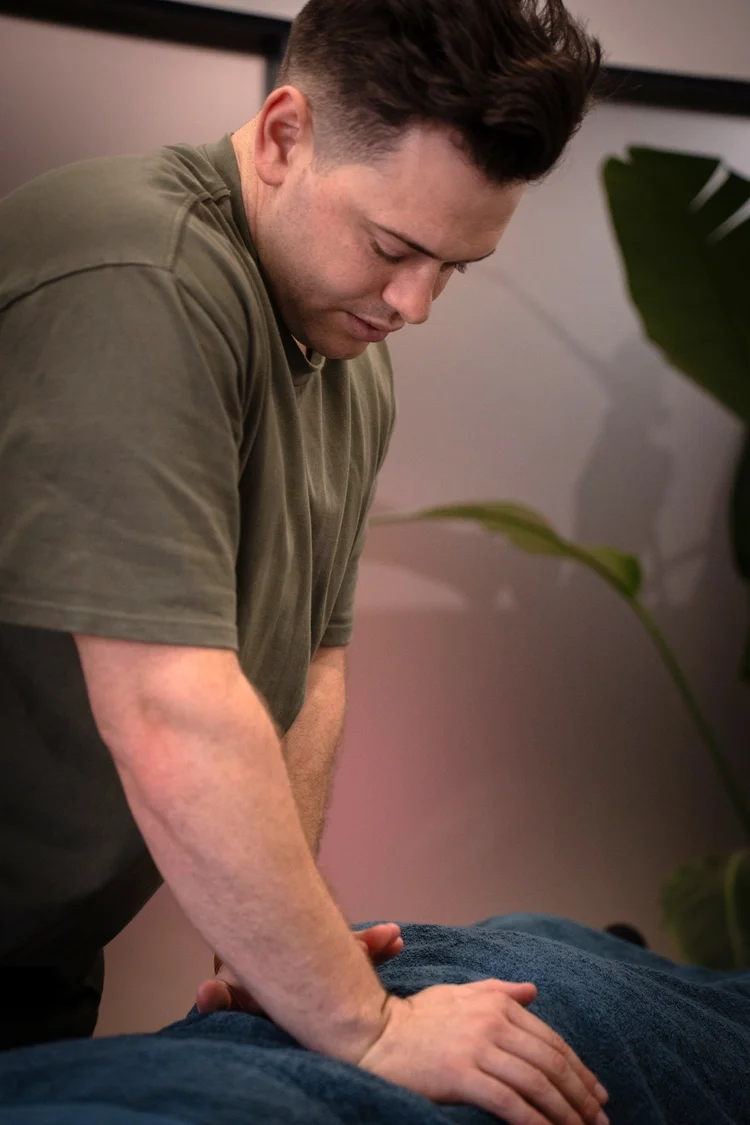
Hands-on osteopathy
Soft tissue work, joint mobilisation and, where appropriate, HVLA adjustments to ease pain and restore movement.
How it helps with tendon & ligament injuries
Soft tissue work and joint mobilisation around the injured area to ease pain and restore movement.
Hands-on care works best as part of a plan that includes exercise and advice.
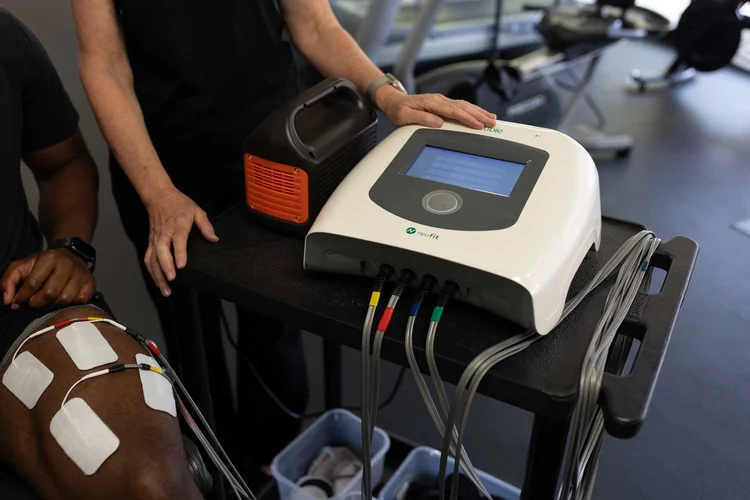
NeuFit (Neubie)
Direct current stimulation while you move, to help switch on muscles that have shut down after pain or injury.
How it helps with tendon & ligament injuries
Helps re-engage muscles around an injured tendon or ligament during movement, supporting strength gains.
NeuFit helps your nervous system reconnect with muscles that have switched off — so every exercise works harder for you.
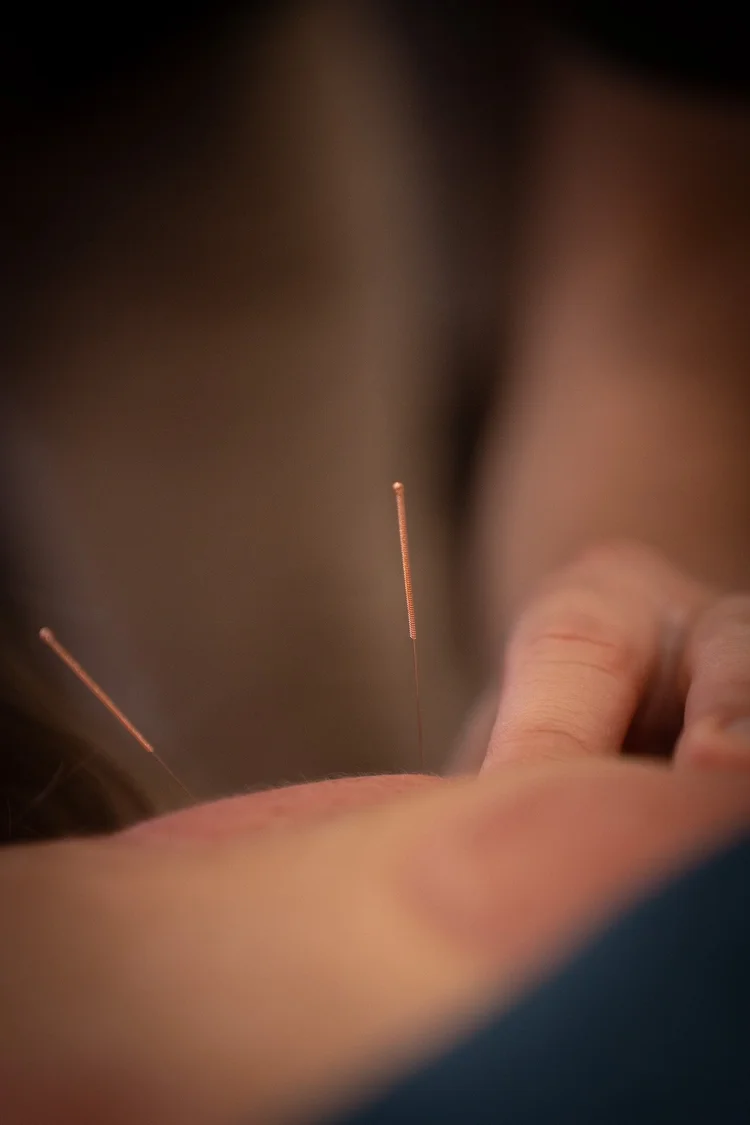
Dry needling & cupping
Fine needles and suction cups used to settle tight, overactive muscles and trigger points.
How it helps with tendon & ligament injuries
Eases tight, overactive muscles that add load to an irritated tendon.
Studies show dry needling can reduce muscle-related pain in the short term, especially alongside exercise.
What you can do right now
While you wait for your appointment, these simple steps help most people:
- Don’t completely rest a sore tendon — keep it gently active
- Reduce, don’t stop, the activities that flare it
- Avoid stretching an irritable tendon hard
- Isometric holds can ease tendon pain — ask us how
- Use support or strapping after a sprain if advised
- Increase training load gradually, not suddenly
When to see a doctor urgently
Most joint and muscle pain is not serious, but please see your GP, go to an emergency department or call 000 if you have:
- A hot, red, swollen joint, especially with fever or feeling unwell
- You can’t put weight on your leg or use your arm after an injury
- A visible deformity, or you heard a crack at the time of injury
- Rapid, severe swelling within hours of an injury
- Calf pain, swelling or redness — especially after travel or surgery
- Shoulder or arm pain with chest pain, shortness of breath or sweating
Common questions
Do I need a GP referral to see an osteopath?
No. Osteopaths are primary healthcare practitioners, so you can book directly. If you have a Medicare Chronic Disease Management plan or a WorkCover claim, bring your referral to your first visit.
Can I claim on my private health insurance?
Osteopathy is covered by most extras policies, and we offer on-the-spot claiming through HICAPS. Check with your fund for your level of cover.
How long does tendon pain take to improve?
Tendons adapt slowly. Many people notice a change within a few weeks of the right loading, but full recovery can take three months or more. We’ll track progress with clear milestones.
Should I use a brace or strap?
Sometimes, short term, to help you stay active — especially after an ankle sprain or for tennis elbow. We’ll advise you based on your injury.
Are injections a good option for tendon pain?
Some injections can ease pain short term, but research suggests loading-based rehab gives better long-term results for most tendon problems. Talk to your GP about medical options.
Related conditions
About osteopathy · All conditions we treat · Meet our osteopaths