
Sciatica & disc pain treatment in Pennant Hills
Pain, burning or pins and needles running into your buttock and leg can be scary. We assess what’s irritating the nerve, explain it clearly, and guide you through a plan to settle the pain and get you moving again.
- No GP referral needed
- AHPRA-registered osteopaths
- HICAPS on-the-spot claims
A disc injury is not a life sentence
Sciatica describes pain travelling along the sciatic nerve — usually into the buttock and down the leg. It’s often linked to an irritated disc or nerve root, and while it can be very painful, most people improve without surgery.
Here’s what we believe, and what the research supports:
- Discs can and do settle. Many disc bulges reduce over time, and the body is very good at calming an irritated nerve.
- Scan findings are common. Disc bulges show up on scans of plenty of people with no pain at all — so we treat you, not just the picture.
- Calm the nerve, then load it. Early care focuses on settling irritation; then we gradually build strength and movement back up.
- Staying active helps. Positions and movement that ease your leg pain are usually more helpful than bed rest.
- Know when to refer. Most sciatica is managed conservatively, but some symptoms need a doctor quickly — we screen for them every visit.

Sound familiar?
- Pain from your lower back into your buttock or down your leg
- Burning, tingling or pins and needles in your leg or foot
- Pain that’s worse sitting, coughing or sneezing
- Leg pain that’s worse than your back pain
- Feeling like your leg is weak or “not quite right”
- You’ve been told you have a disc bulge and feel stuck
What we commonly see
- Sciatica
- Disc bulge or herniation
- Lumbar nerve root irritation
- Piriformis-related buttock pain
- Leg pain from the lower back
- Recurring disc flare-ups
- Pain after lifting or bending
- Post-scan reassurance & planning
Not sure if your pain fits? Call us on 0457 796 468 and we’ll let you know if we can help.
How we treat sciatica & disc pain
Every appointment follows our Assess, Plan, Treat framework — so you always know what’s happening and why.
Assess
A careful history of your back and leg symptoms, and what makes them better or worse.
Read more
We do a full neurological examination — sensation, strength and reflexes — plus nerve tension tests like the straight leg raise, and screen for anything that needs urgent medical review.
If you have scans, bring them — we’ll explain what they mean in plain English.
Plan
A clear explanation of what’s irritating the nerve and the stages of your recovery.
Read more
We set realistic timeframes, show you positions and movements that ease your leg pain, and agree goals together — sleeping, sitting, walking, working.
If you need medical review or imaging, we’ll coordinate with your GP or specialist.
Treat
Settle the nerve first, then rebuild strength and confidence.
Read more
Early treatment focuses on easing pain and reducing nerve irritation. As symptoms settle, we gradually reintroduce load — bending, lifting and the activities you love.
The tools we have at our disposal
We choose the right mix for you — every tool is there to ease pain, restore movement and get you back to what you love.
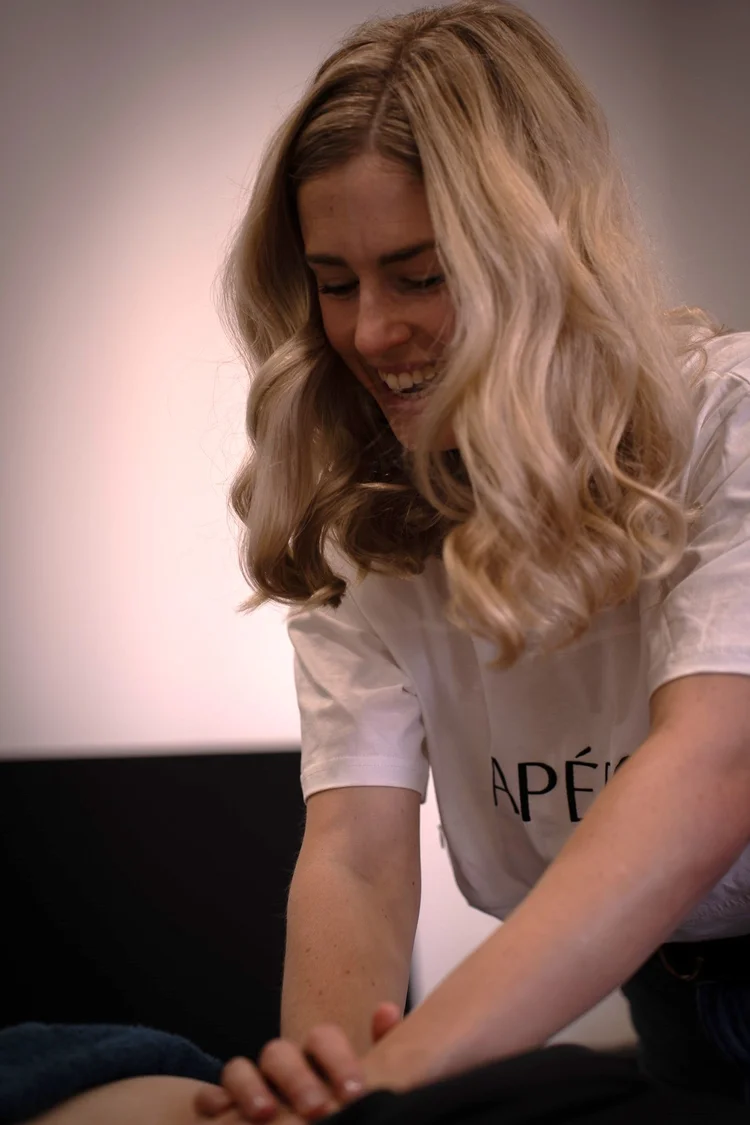
Hands-on osteopathy
Soft tissue work, joint mobilisation and, where appropriate, HVLA adjustments to ease pain and restore movement.
How it helps with sciatica & disc pain
Gentle techniques to ease muscle guarding around the lower back, pelvis and buttock, plus mobilisation to restore movement — always pitched to how irritable your nerve is.
Hands-on care works best as part of a plan that includes exercise and advice.
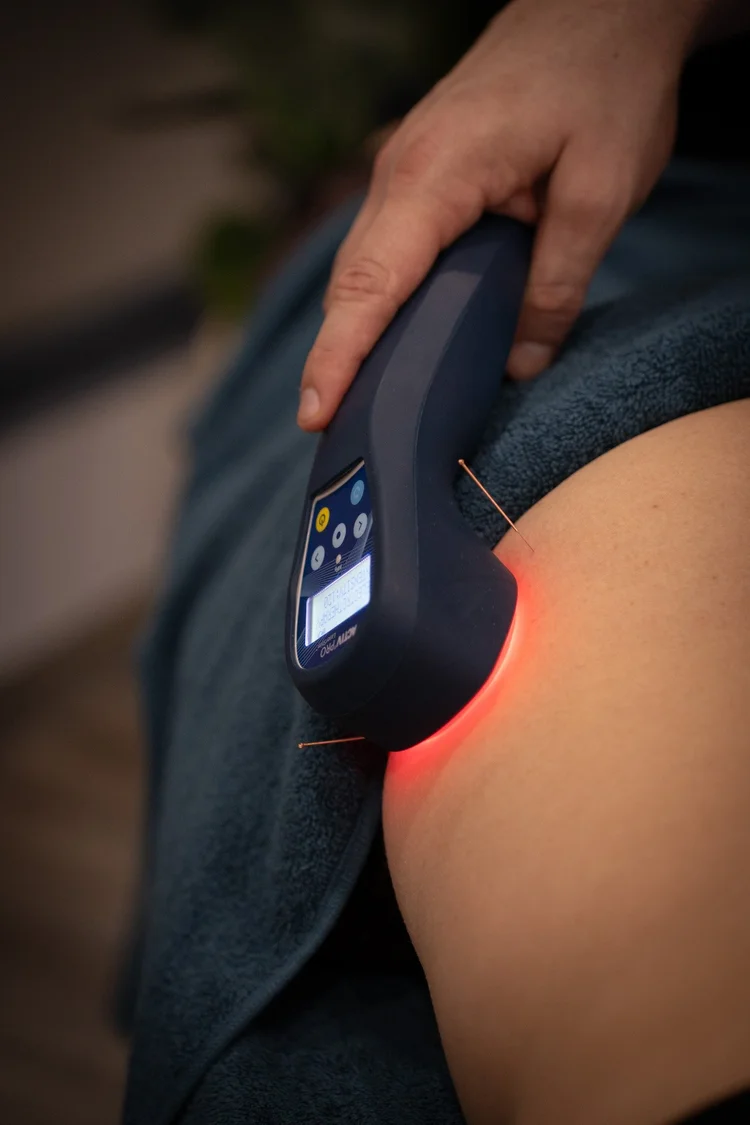
Low-level laser therapy
Painless light therapy that energises your cells to calm pain and support tissue healing.
How it helps with sciatica & disc pain
Laser helps calm pain and inflammation around the lower back and buttock and supports tissue healing, so you can move and exercise more comfortably.
Laser energises your cells’ mitochondria to support healing — a powerful adjunct to hands-on care and rehab.
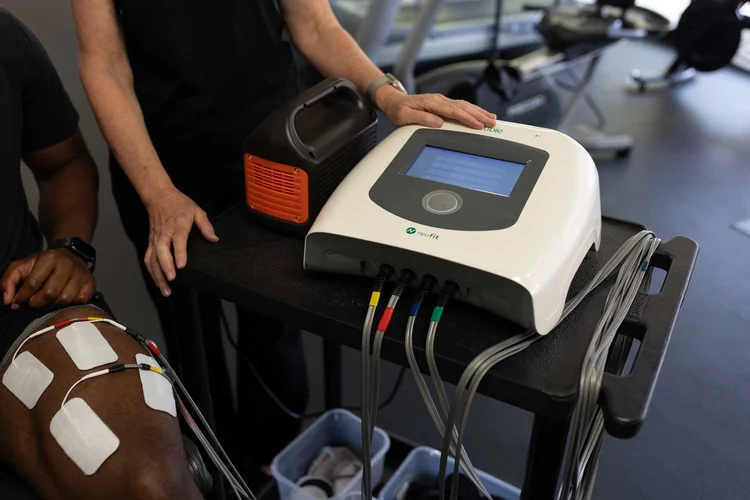
NeuFit (Neubie)
Direct current stimulation while you move, to help switch on muscles that have shut down after pain or injury.
How it helps with sciatica & disc pain
Sciatica often leaves leg and glute muscles weak or switched off. The Neubie helps us find and re-engage them during movement.
NeuFit helps your nervous system reconnect with muscles that have switched off — so every exercise works harder for you.
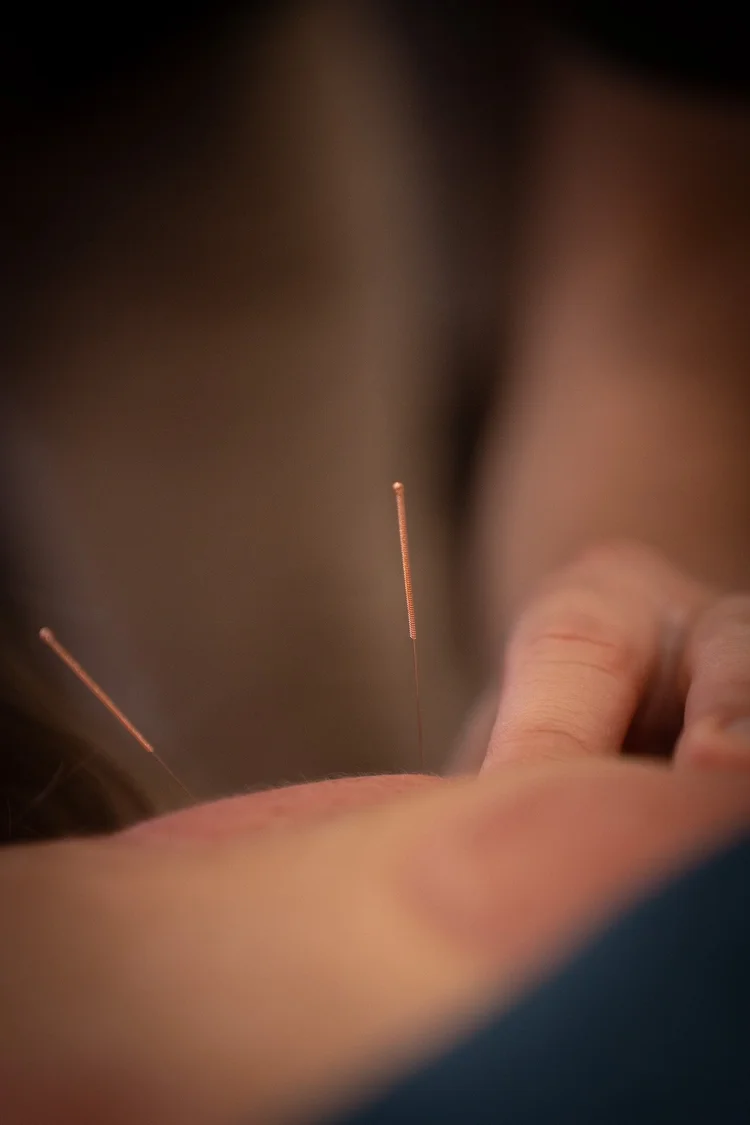
Dry needling & cupping
Fine needles and suction cups used to settle tight, overactive muscles and trigger points.
How it helps with sciatica & disc pain
Can ease tight, protective muscles in the buttock and lower back that add to your pain.
Studies show dry needling can reduce muscle-related pain in the short term, especially alongside exercise.
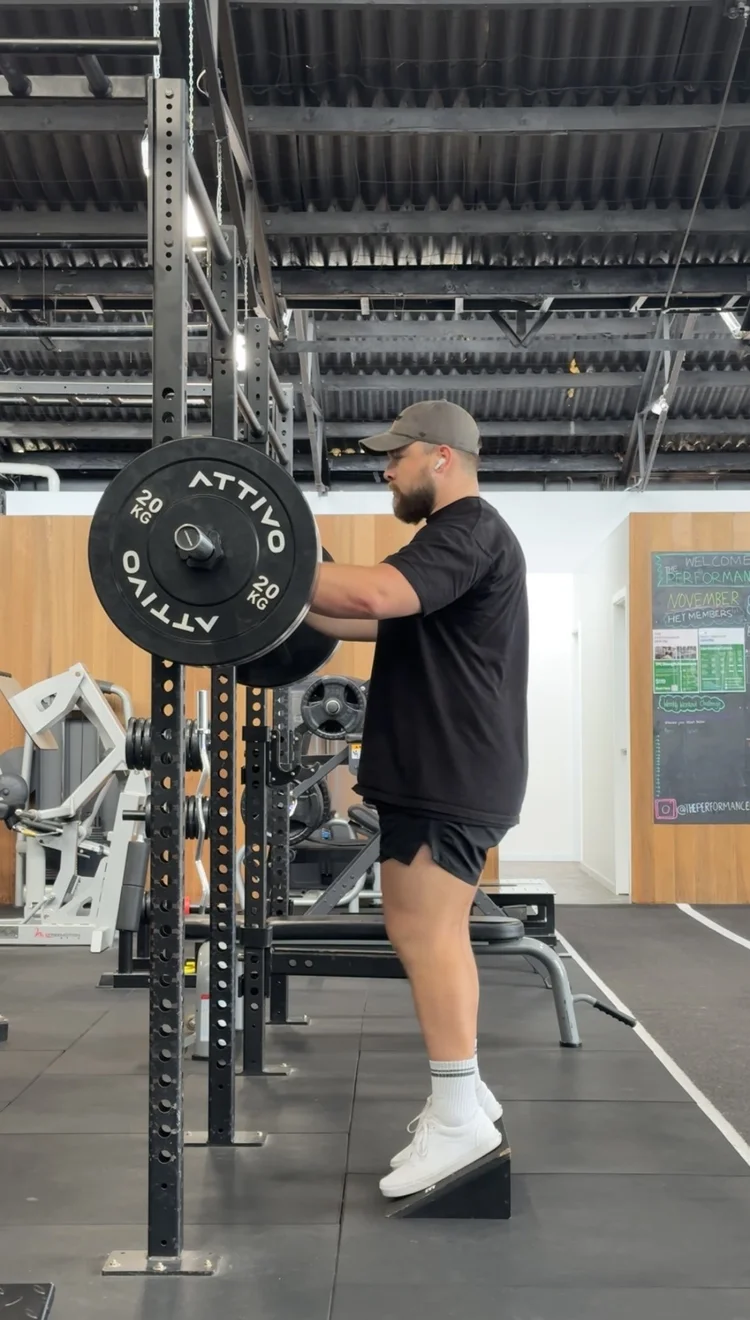
Exercise rehab
A progressive program to rebuild strength, control and confidence — the part that keeps you better.
How it helps with sciatica & disc pain
Nerve glides, graded movement and progressive strengthening — moving from symptom relief to lifting and returning to sport.
Exercise has the strongest research support for most musculoskeletal pain.
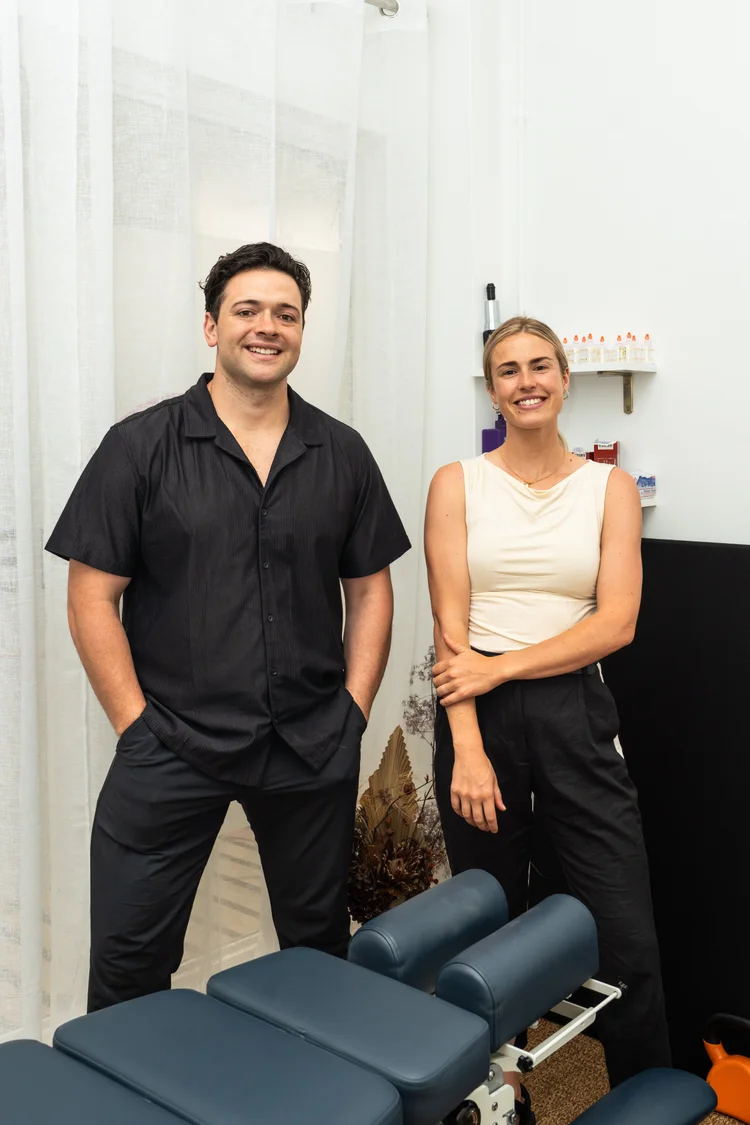
Education & self-care
Understanding your pain, what to do at home, and how to stop it coming back.
How it helps with sciatica & disc pain
Understanding your disc and nerve takes away fear. We teach positions of relief, sitting strategies and how to manage flare-ups.
What you can do right now
While you wait for your appointment, these simple steps help most people:
- Find positions that ease your leg pain and use them
- Keep walking in short, comfortable bursts
- Avoid long periods of sitting — stand up every 20–30 minutes
- Avoid bed rest — gentle movement helps more
- Use heat on tight back and buttock muscles
- Be patient — nerve pain often settles in stages
When to see a doctor urgently
Most sciatica improves with conservative care, but go to an emergency department or call 000 if you have:
- Numbness around your groin, buttocks or inner thighs (saddle area)
- New difficulty passing urine, or loss of bladder or bowel control
- Sexual dysfunction that’s new
- Weakness in both legs, or rapidly worsening weakness or foot drop
- Severe, unrelenting pain that isn’t eased by any position
- Fever or feeling unwell with back pain
Common questions
Do I need a GP referral to see an osteopath?
No. Osteopaths are primary healthcare practitioners, so you can book directly. If you have a Medicare Chronic Disease Management plan or a WorkCover claim, bring your referral to your first visit.
Can I claim on my private health insurance?
Osteopathy is covered by most extras policies, and we offer on-the-spot claiming through HICAPS. Check with your fund for your level of cover.
Do I need surgery for a disc bulge?
Most people with sciatica and disc bulges recover without surgery. Surgery is usually only considered for severe or worsening nerve symptoms or pain that doesn’t improve with good conservative care — we’ll refer you if needed.
How long does sciatica take to settle?
It varies. Many people improve significantly within 6–12 weeks, though some take longer. We’ll track your progress and adjust your plan along the way.
Should I stretch my hamstrings?
Not always — an irritated nerve often doesn’t like to be stretched hard. We’ll show you which movements help and which to avoid for now.
Related conditions
About osteopathy · All conditions we treat · Meet our osteopaths