
Sports injury & muscle strain treatment in Pennant Hills
Whether you’ve tweaked a hamstring, rolled an ankle or can’t shake a niggle, we work out what happened and why — then guide you from first aid to full training with a clear, staged plan.
- No GP referral needed
- AHPRA-registered osteopaths
- HICAPS on-the-spot claims
Getting back is good. Coming back stronger is better.
Sports injuries are rarely just bad luck. Training load, recovery, strength and old injuries all play a part. Our goal is to get you back — and help you stay there.
Here’s what we believe:
- Load is the key. Most injuries happen when what you do outpaces what your body is ready for. We help you find the right dose.
- Rest isn’t the treatment. Short-term protection, then smart, progressive loading is what heals tissue and rebuilds capacity.
- Treat the cause, not just the strain. Stiff joints, weak links and old injuries elsewhere often set up the next one.
- Return to sport is a process. We use clear milestones — not just time — to decide when you’re ready to go back.
- Prevention is part of rehab. Strength, recovery and smarter training plans reduce your risk of re-injury.

Sound familiar?
- You pulled up with a sharp pain mid-game or mid-session
- A niggle that keeps coming back every time you increase training
- You’re not sure if you should train through it or rest
- Swelling, bruising or tightness after an injury
- You’ve lost strength or confidence in a muscle or joint
- You want a clear plan to get back for your next season or event
What we commonly see
- Hamstring & calf strains
- Ankle sprains
- Groin & hip flexor strains
- Shoulder injuries
- Knee niggles & ligament sprains
- Running injuries
- Gym & lifting injuries
- Golf & tennis-related pain
Not sure if your pain fits? Call us on 0457 796 468 and we’ll let you know if we can help.
How we treat sports injuries
Every appointment follows our Assess, Plan, Treat framework — so you always know what’s happening and why.
Assess
We find out exactly how the injury happened, your sport, training load and goals.
Read more
Then we assess the injured area and the chain around it — strength, range, control and how you move under load. We use real-time ultrasound to look at muscles and tendons when it helps.
If you need imaging or a sports doctor, we’ll refer you.
Plan
A staged plan from first aid to full return — with milestones, not guesswork.
Read more
We map out the stages of healing, what you can keep doing in training, and the tests you’ll pass before you return to full sport.
Treat
Hands-on care and recovery tools early, then progressive, sport-specific rehab.
Read more
Early sessions settle pain and swelling and protect healing tissue. Then we build strength, speed and power, finishing with sport-specific drills so you go back with confidence.
The tools we have at our disposal
We choose the right mix for you — every tool is there to ease pain, restore movement and get you back to what you love.
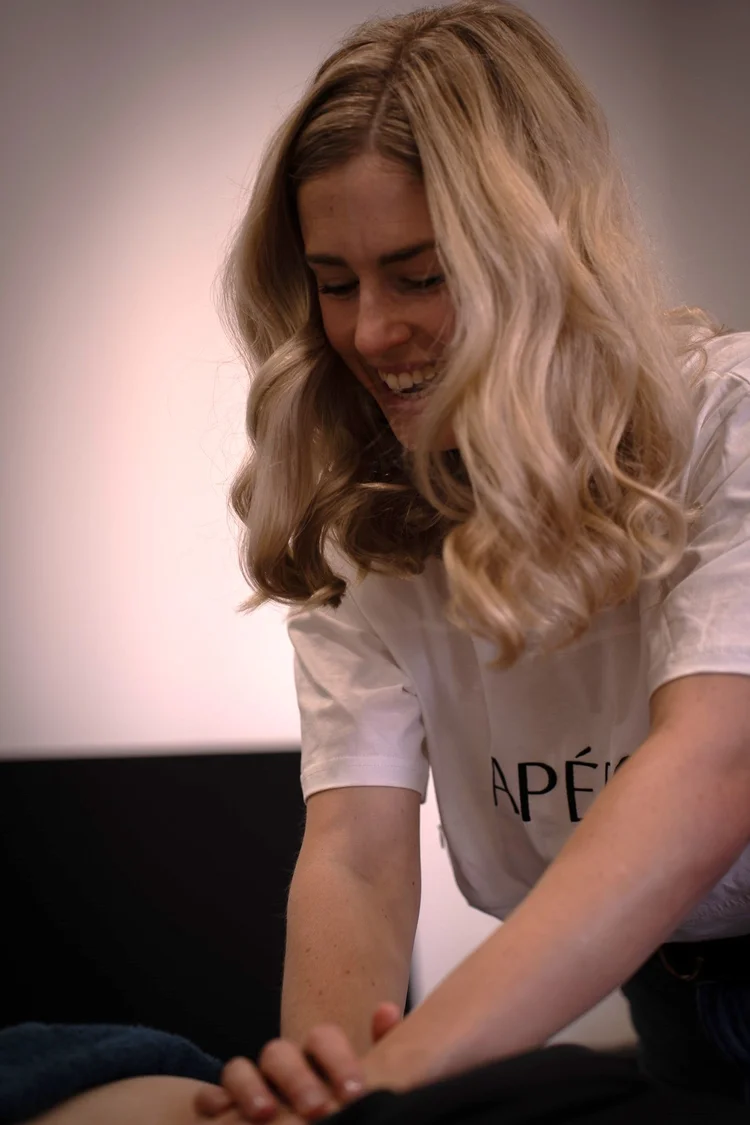
Hands-on osteopathy
Soft tissue work, joint mobilisation and, where appropriate, HVLA adjustments to ease pain and restore movement.
How it helps with sports injuries
Soft tissue work and joint mobilisation to restore movement around the injury and through the rest of the chain that’s compensating.
Hands-on care works best as part of a plan that includes exercise and advice.
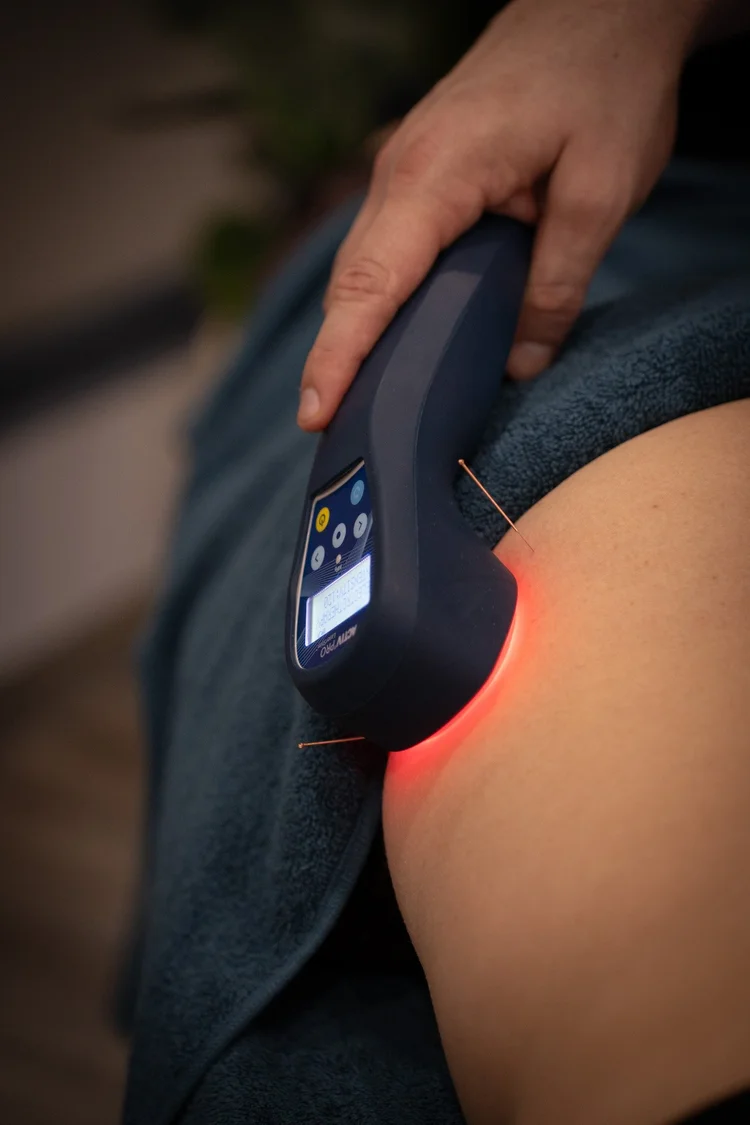
Low-level laser therapy
Painless light therapy that energises your cells to calm pain and support tissue healing.
How it helps with sports injuries
Laser energises injured muscle and ligament cells to support healing and calm pain — a great way to kick-start recovery in the early stages.
Laser energises your cells’ mitochondria to support healing — a powerful adjunct to hands-on care and rehab.
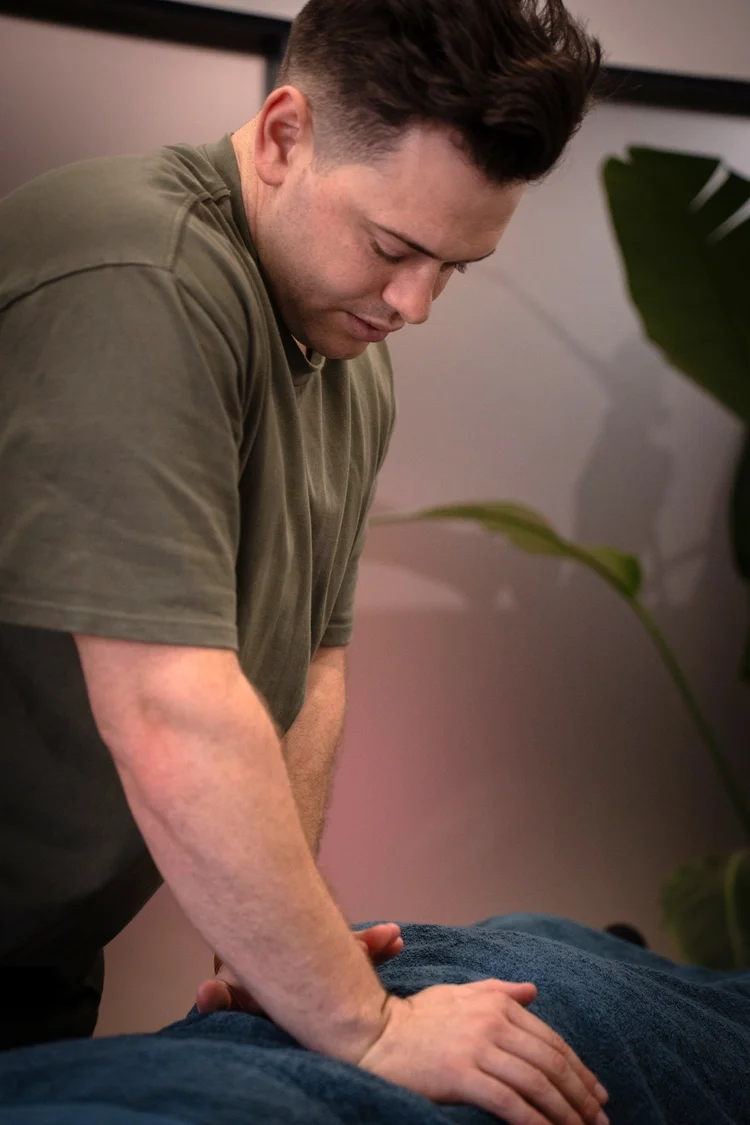
Real-time ultrasound
In-clinic ultrasound to look at muscles, tendons and ligaments when it helps guide your care.
How it helps with sports injuries
Lets us see muscles, tendons and ligaments in real time, which helps confirm what’s injured and guide your rehab.
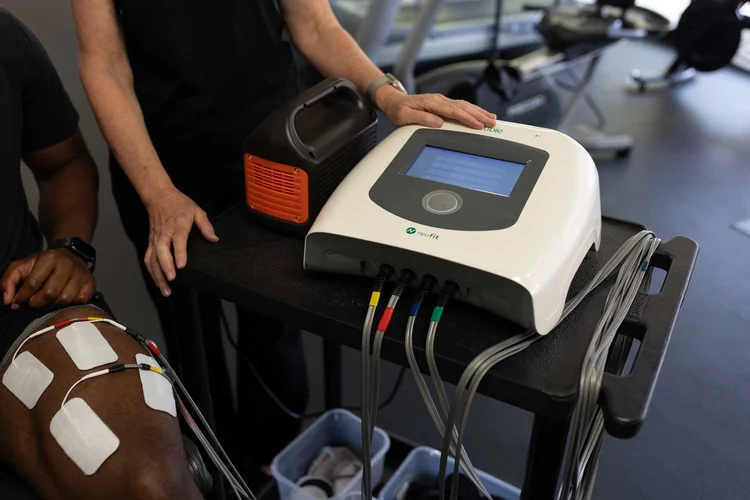
NeuFit (Neubie)
Direct current stimulation while you move, to help switch on muscles that have shut down after pain or injury.
How it helps with sports injuries
After an injury, muscles can stay “switched off”. The Neubie helps reactivate them during movement so strength returns faster.
NeuFit helps your nervous system reconnect with muscles that have switched off — so every exercise works harder for you.
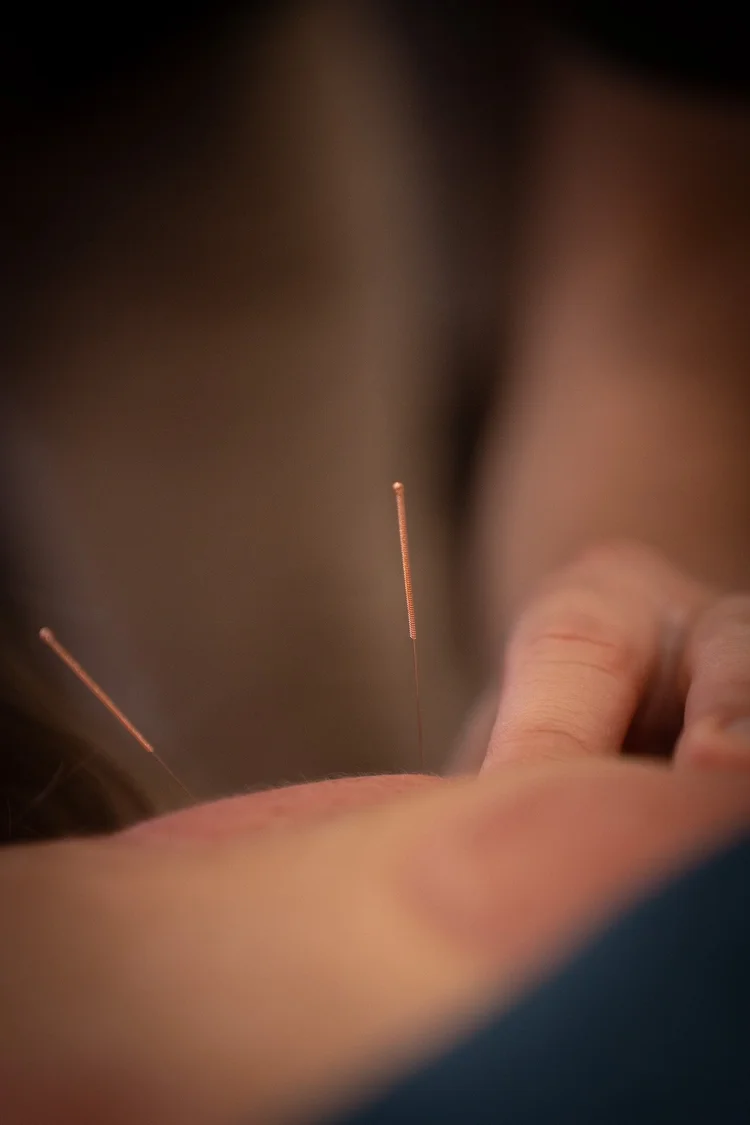
Dry needling & cupping
Fine needles and suction cups used to settle tight, overactive muscles and trigger points.
How it helps with sports injuries
Eases tight, overactive muscles and trigger points that build up around an injury.
Studies show dry needling can reduce muscle-related pain in the short term, especially alongside exercise.
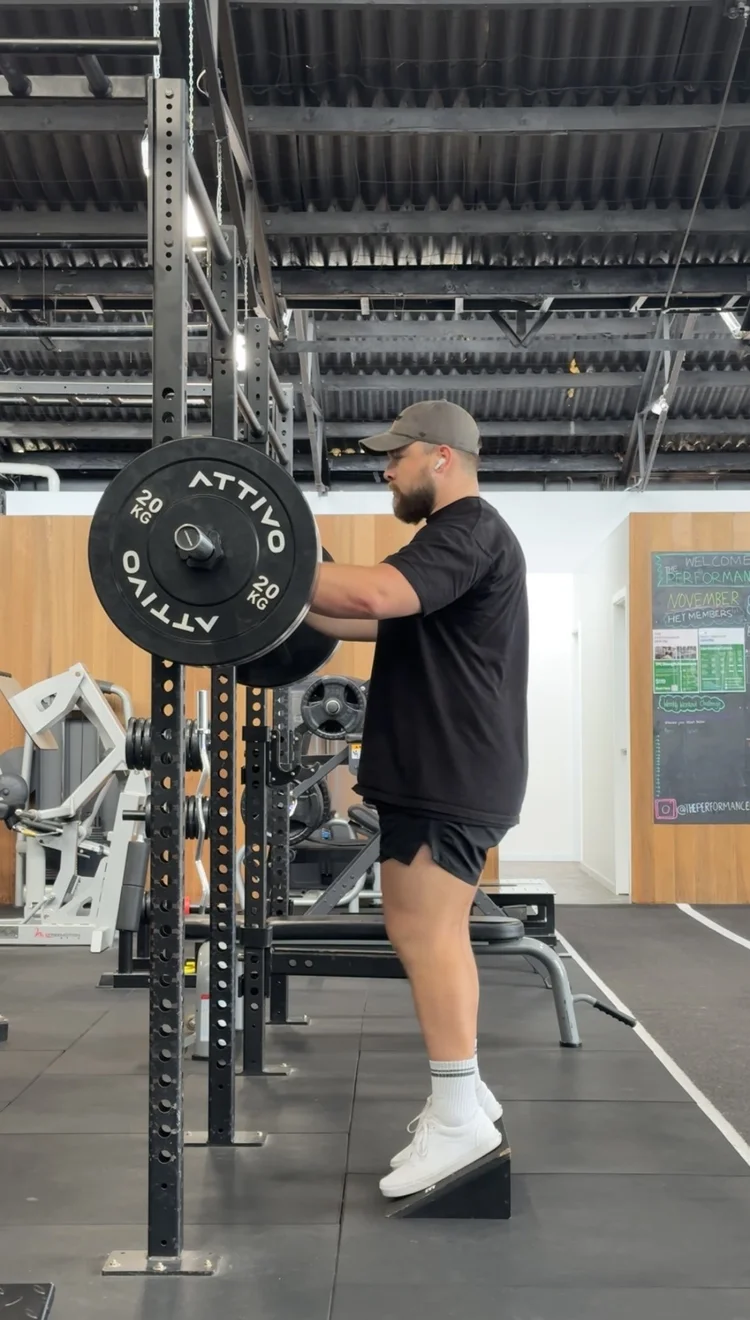
Exercise rehab
A progressive program to rebuild strength, control and confidence — the part that keeps you better.
How it helps with sports injuries
Progressive strength, power and sport-specific training — from early rehab through to full return to play.
Exercise has the strongest research support for most musculoskeletal pain.
What you can do right now
While you wait for your appointment, these simple steps help most people:
- Protect the area for the first day or two, then move gently
- Use ice or compression early to manage swelling if it helps
- Keep training the rest of your body where you can
- Avoid stretching a freshly strained muscle hard
- Don’t rush back — pain-free daily tasks come first
- Book in early — early rehab makes a big difference
When to see a doctor urgently
Most joint and muscle pain is not serious, but please see your GP, go to an emergency department or call 000 if you have:
- A hot, red, swollen joint, especially with fever or feeling unwell
- You can’t put weight on your leg or use your arm after an injury
- A visible deformity, or you heard a crack at the time of injury
- Rapid, severe swelling within hours of an injury
- Calf pain, swelling or redness — especially after travel or surgery
- Shoulder or arm pain with chest pain, shortness of breath or sweating
Common questions
Do I need a GP referral to see an osteopath?
No. Osteopaths are primary healthcare practitioners, so you can book directly. If you have a Medicare Chronic Disease Management plan or a WorkCover claim, bring your referral to your first visit.
Can I claim on my private health insurance?
Osteopathy is covered by most extras policies, and we offer on-the-spot claiming through HICAPS. Check with your fund for your level of cover.
Should I rest or keep training?
Usually somewhere in between. Complete rest slows recovery, but training through sharp pain can make things worse. We’ll show you what you can safely keep doing.
How long until I can play again?
It depends on the injury and how quickly you meet your return-to-sport milestones. After your assessment we’ll give you a realistic timeframe.
Do I need a scan?
Many sports injuries can be diagnosed clinically. We can use in-clinic ultrasound, and we’ll refer you for other imaging if it would change your management.
Related conditions
About osteopathy · All conditions we treat · Meet our osteopaths