
Pregnancy & postpartum pain treatment in Pennant Hills
Your body does incredible work during pregnancy and after birth — and it often aches along the way. Gentle, safe osteopathic care helps you stay comfortable, mobile and strong through every stage.
- No GP referral needed
- AHPRA-registered osteopaths
- HICAPS on-the-spot claims
Common doesn’t mean you have to put up with it
Back, pelvic and rib pain are very common in pregnancy, and new aches often appear after birth from feeding, lifting and carrying. Common — but very treatable.
Here’s what we believe:
- Gentle care is safe care. We adapt every treatment to your stage of pregnancy, with comfortable positions and gentle techniques.
- Your body is changing fast. Hormones, posture and load all shift — your care should shift with them.
- Movement helps. Staying active and strong in pregnancy supports comfort and recovery.
- Recovery after birth takes time. Rebuilding strength postpartum is a gradual process — and it’s never too late to start.
- Mum’s health matters too. Looking after your own body helps you look after your family.
Sound familiar?
- Lower back or pelvic pain that’s worse walking or rolling in bed
- Pain at the front of your pelvis (pubic bone)
- Rib or upper back pain as your bump grows
- Sciatica-type pain into your buttock or leg
- Neck, shoulder or wrist pain from feeding and carrying
- Feeling weak or disconnected from your core after birth
What we commonly see
- Pregnancy-related back pain
- Pelvic girdle pain & SPD
- Rib & upper back pain
- Sciatica in pregnancy
- Postpartum back & neck pain
- Feeding-related neck & shoulder pain
- Wrist pain (De Quervain’s)
- Postpartum return to exercise
Not sure if your pain fits? Call us on 0457 796 468 and we’ll let you know if we can help.
How we treat pregnancy & postpartum pain
Every appointment follows our Assess, Plan, Treat framework — so you always know what’s happening and why.
Assess
A detailed history of your pregnancy or birth, symptoms and what’s hard right now.
Read more
We assess gently and comfortably — side-lying or seated as needed — and screen for anything that needs your midwife, obstetrician or GP.
Plan
A plan for each stage — pregnancy, birth preparation and postpartum recovery.
Read more
We set practical goals — sleeping comfortably, walking without pelvic pain, lifting your baby with ease — and give you simple exercises and strategies.
Treat
Gentle hands-on care, then strength to support you through pregnancy and beyond.
Read more
Treatment eases pain and stiffness; then we build strength for the demands of pregnancy and parenting, and guide a safe return to exercise after birth.
The tools we have at our disposal
Every treatment is adapted for pregnancy and recovery. Some tools, like NeuFit and dry needling, are generally avoided during pregnancy — we’ll always explain what’s appropriate for you.
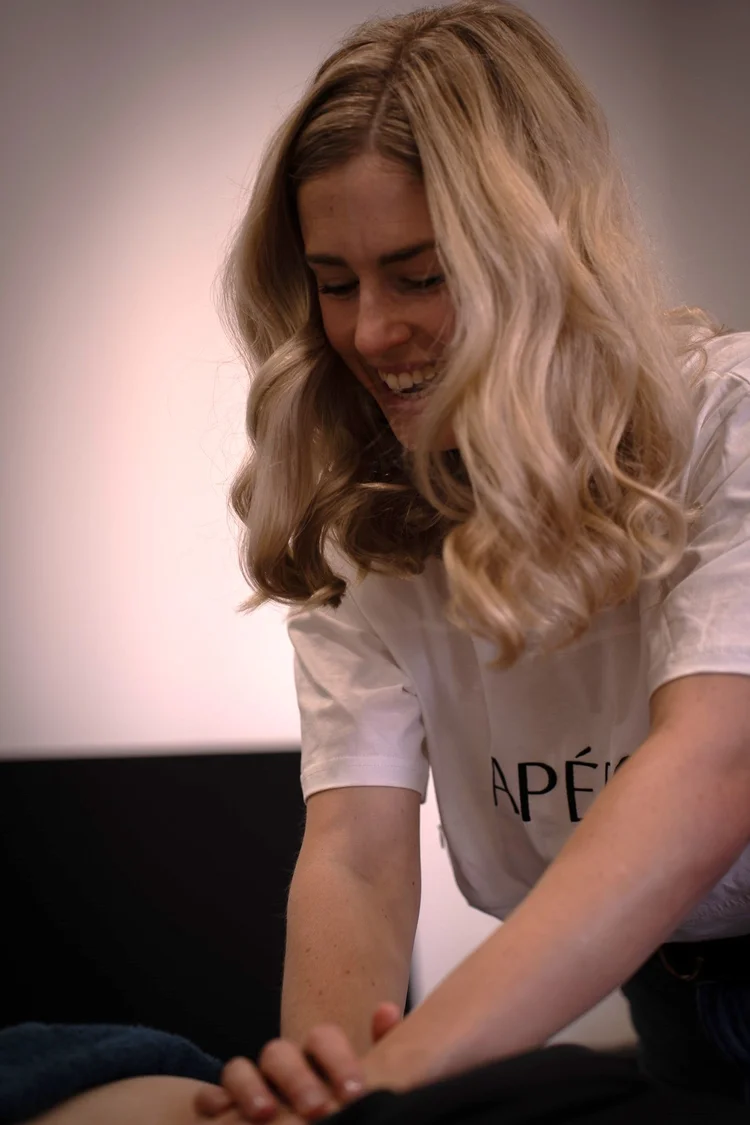
Hands-on osteopathy
Soft tissue work, joint mobilisation and, where appropriate, HVLA adjustments to ease pain and restore movement.
How it helps with pregnancy & postpartum pain
Gentle, pregnancy-safe soft tissue work, mobilisation and gentle cranial techniques — adapted to your comfort and stage.
Hands-on care works best as part of a plan that includes exercise and advice.
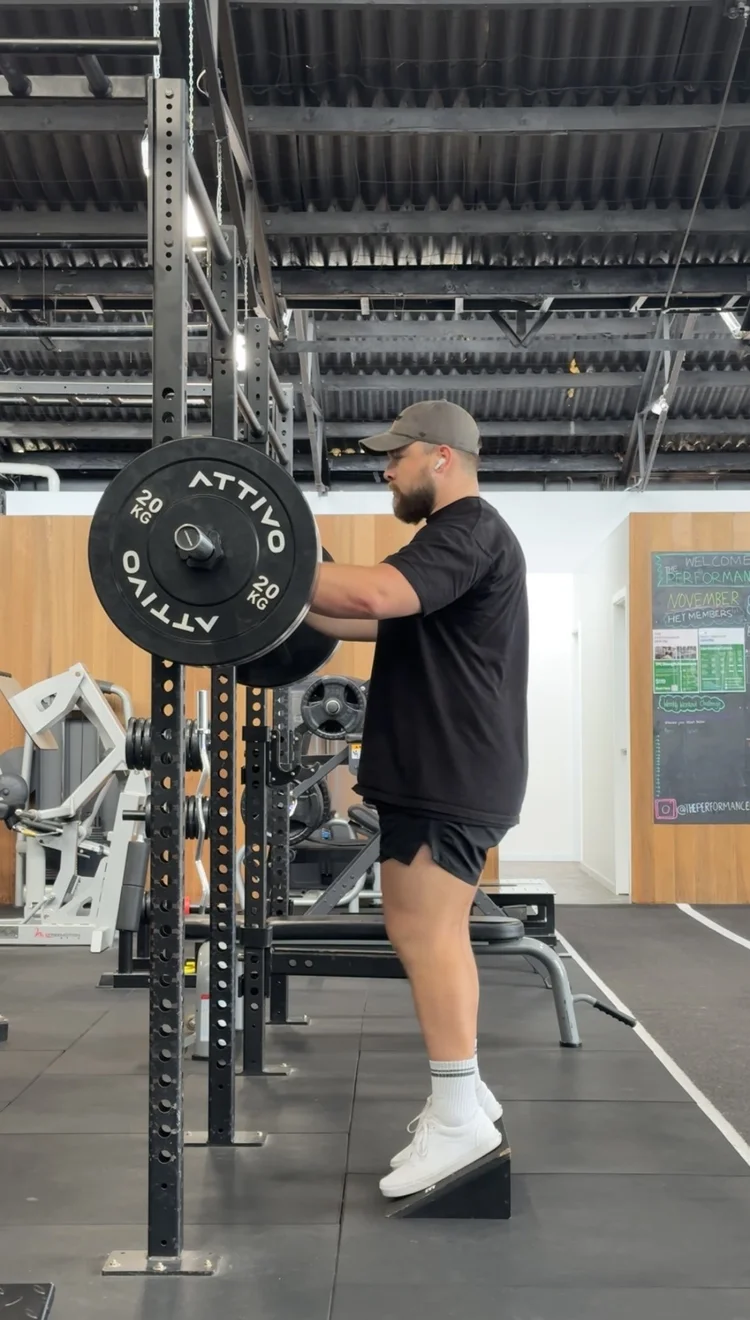
Exercise rehab
A progressive program to rebuild strength, control and confidence — the part that keeps you better.
How it helps with pregnancy & postpartum pain
Pregnancy-appropriate strengthening and, after birth, a gradual return to core, pelvic and whole-body strength.
Exercise has the strongest research support for most musculoskeletal pain.
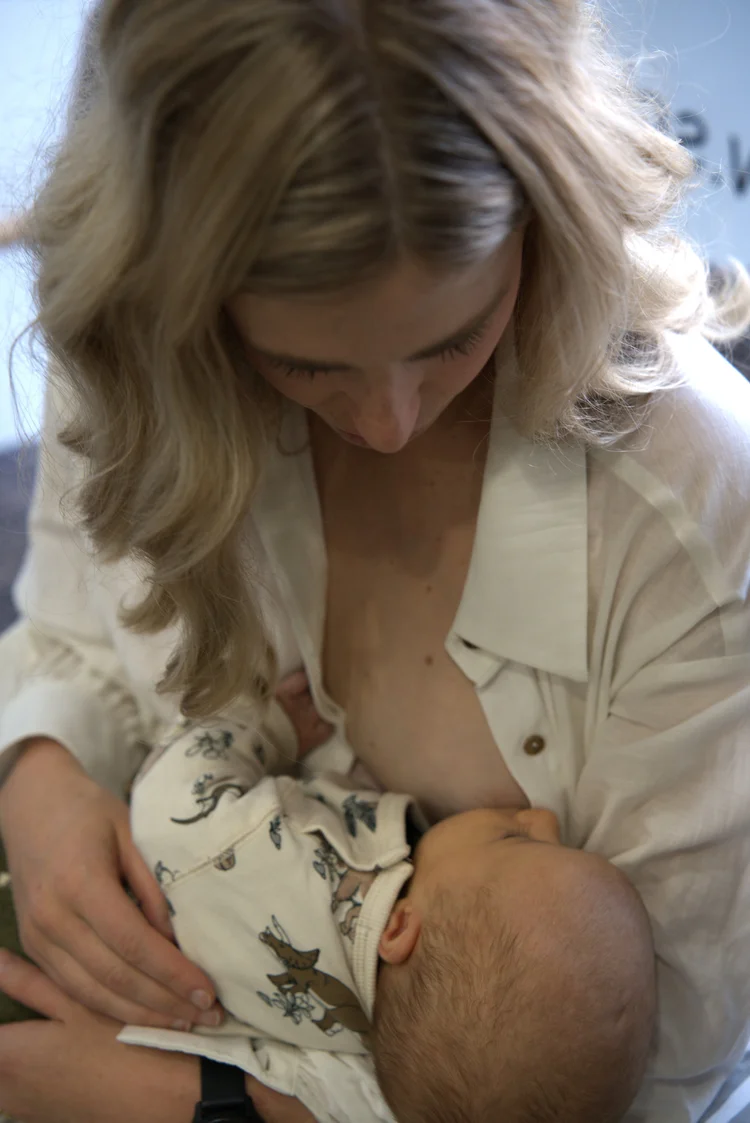
Lactation support
Feeding and latching support from Dr Lydia Thompson, an internationally board-certified lactation consultant.
How it helps with pregnancy & postpartum pain
Feeding challenges can drive neck, shoulder and wrist pain. Dr Lydia Thompson is an IBCLC lactation consultant and can support feeding too.
Education & self-care
Understanding your pain, what to do at home, and how to stop it coming back.
How it helps with pregnancy & postpartum pain
Sleep positions, lifting and carrying, feeding posture and pacing — practical strategies for every stage.
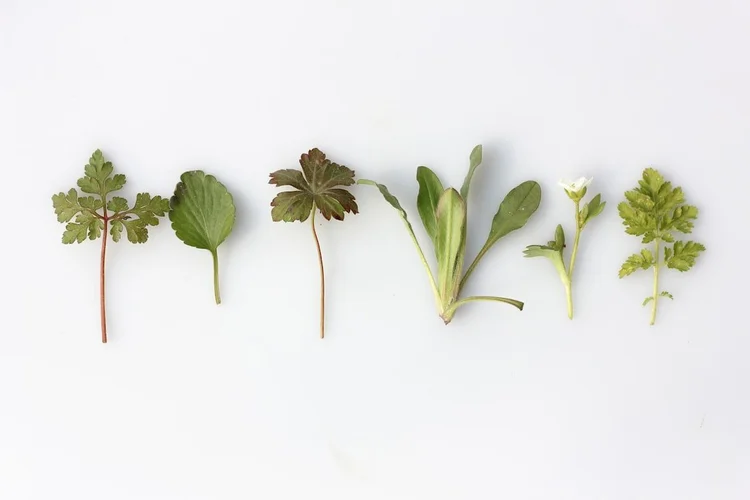
Integrated naturopathy
For pain driven by inflammation, gut health, hormones or diet — with Dr Lydia Thompson, osteopath and naturopath.
How it helps with pregnancy & postpartum pain
Postpartum depletion, energy and recovery can be supported through integrated naturopathy with Dr Lydia Thompson.
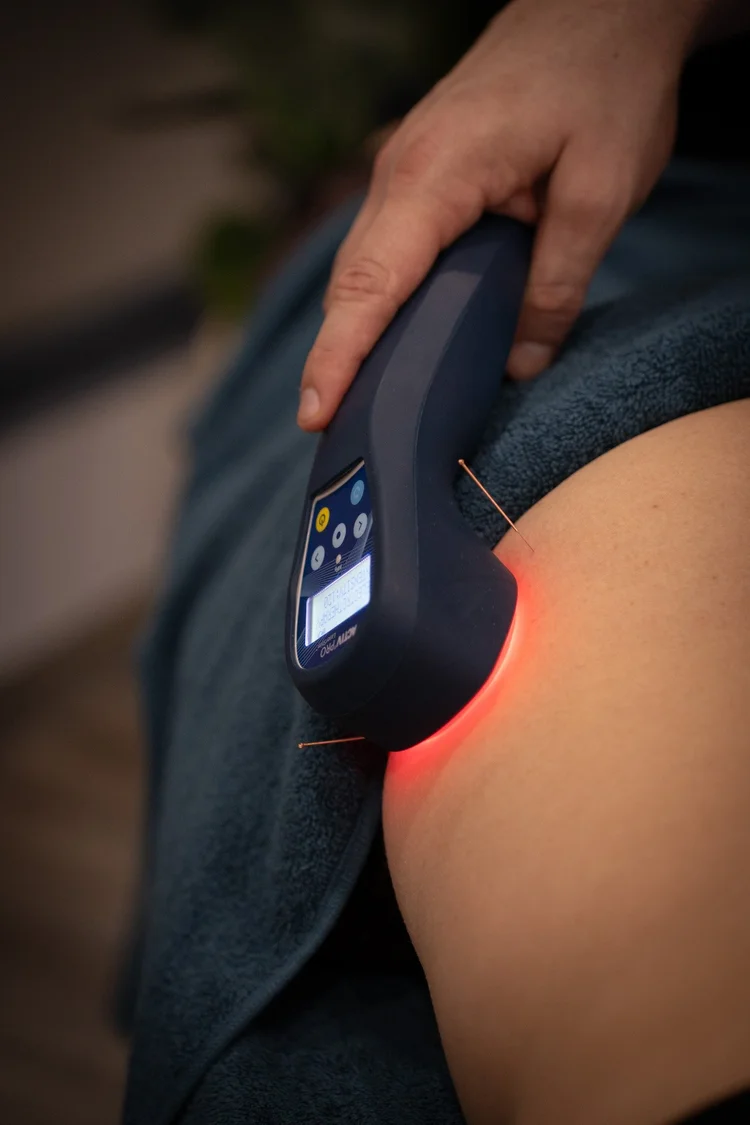
Low-level laser therapy
Painless light therapy that energises your cells to calm pain and support tissue healing.
How it helps with pregnancy & postpartum pain
After birth, laser is a gentle way to settle sore muscles and joints and support recovery. (We don’t use laser over the abdomen during pregnancy.)
Laser energises your cells’ mitochondria to support healing — a powerful adjunct to hands-on care and rehab.
What you can do right now
While you wait for your appointment, these simple steps help most people:
- Keep gently active — walking and swimming are great
- Sleep on your side with a pillow between your knees
- Keep your knees together when rolling or getting out of the car
- Take smaller steps if your pelvis is sore
- Set up a comfortable, supported feeding position
- Ask for help with lifting where you can
When to see a doctor urgently
Please contact your midwife, obstetrician, GP or maternity unit straight away — or call 000 in an emergency — if you have:
- Vaginal bleeding or fluid loss
- Severe or constant abdominal pain
- Fewer baby movements than usual
- Sudden swelling of your face or hands, severe headache or vision changes
- Calf pain or swelling, chest pain or shortness of breath
- Fever, or a hot, red, painful breast after birth
- Low mood or anxiety that won’t lift — PANDA helpline 1300 726 306
Common questions
Do I need a GP referral to see an osteopath?
No. Osteopaths are primary healthcare practitioners, so you can book directly. If you have a Medicare Chronic Disease Management plan or a WorkCover claim, bring your referral to your first visit.
Can I claim on my private health insurance?
Osteopathy is covered by most extras policies, and we offer on-the-spot claiming through HICAPS. Check with your fund for your level of cover.
Is osteopathy safe during pregnancy?
Yes. Osteopathic treatment is adapted to each stage of pregnancy, using comfortable positions and gentle techniques. We’ll always explain what we’re doing and why.
When can I start treatment after giving birth?
Often within a few weeks, depending on your birth and recovery. We can see you whenever you’re ready, and babies are very welcome at appointments.
Can you help with my baby too?
Yes. Dr Lydia Thompson also provides gentle paediatric osteopathy and lactation support for babies and families.
Related conditions
About osteopathy · All conditions we treat · Meet our osteopaths